Skip to content
← The Thrive JournalCollection

Transitions

Thresholds, handled gently

New schools, new homes, new siblings — preparing children for change before it arrives.

The FeatureCo-Parenting

Two mugs on a kitchen counter at dusk, one slightly apart from the other

When Parents Disagree: The Argument Children Actually Hear

Two people raised in two different families are now improvising a third one. Children can tolerate a great deal of difference between their parents — what they cannot tolerate is being the ground it is fought over.

Sian TrombleyCanadian Certified Counsellor

Read story
The archive

More in Transitions

A game controller set down on a wooden table beside an empty cup and an open notebook in afternoon light
Digital World

When the Game Ends: Why Screen Transitions Are So Explosive

The fight is almost never about the game. It is about being pulled out of a state that was regulating them, without warning, by the person they trust most.

Read
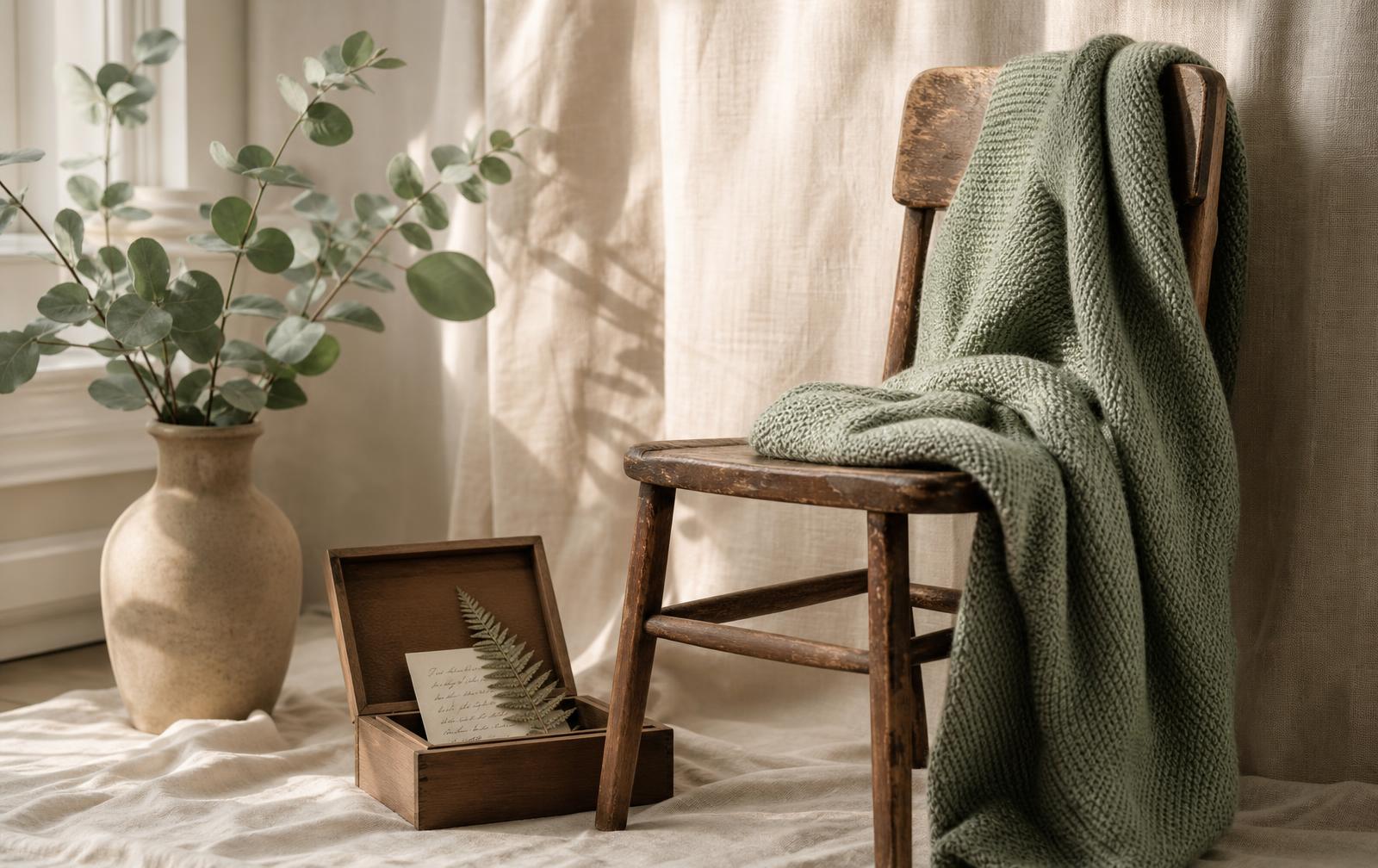
A small vintage wooden chair draped with a sage knit blanket, beside an open memory box with a pressed fern and a handwritten note, in soft morning light
Grief

Small Griefs: Helping Children Carry Loss and Change

Children do not grieve in a straight line, and they rarely grieve when we are ready. What they need is not the perfect explanation, but somewhere reliable to bring it.

Read
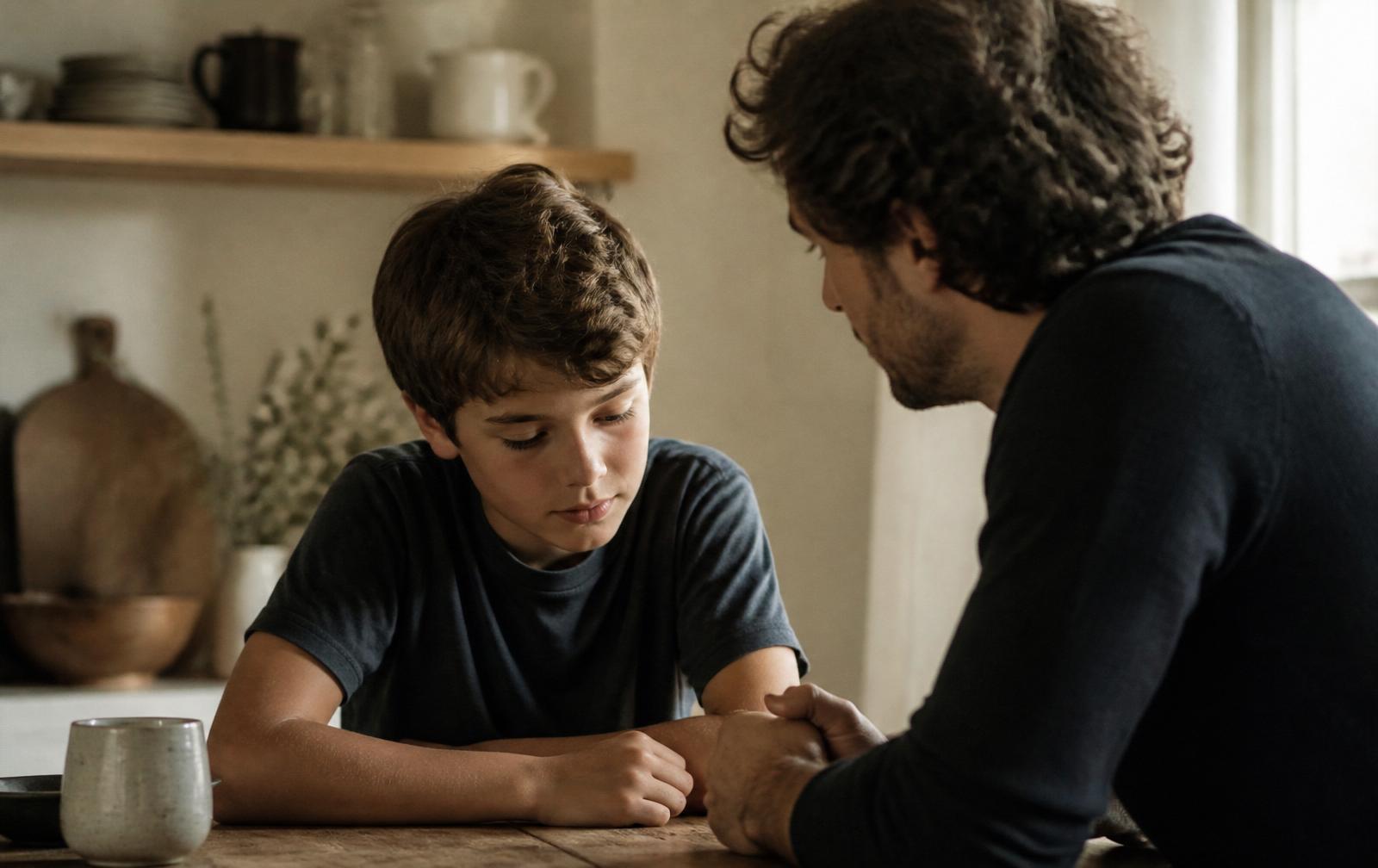
A small wooden chair beside a half-open door with a single folded note left on the seat
Behaviour

The Truth About Lying: What Children Are Really Protecting

A child who lies is almost never a child with a character problem. They are a child solving a problem — usually the problem of what happens next.

Read
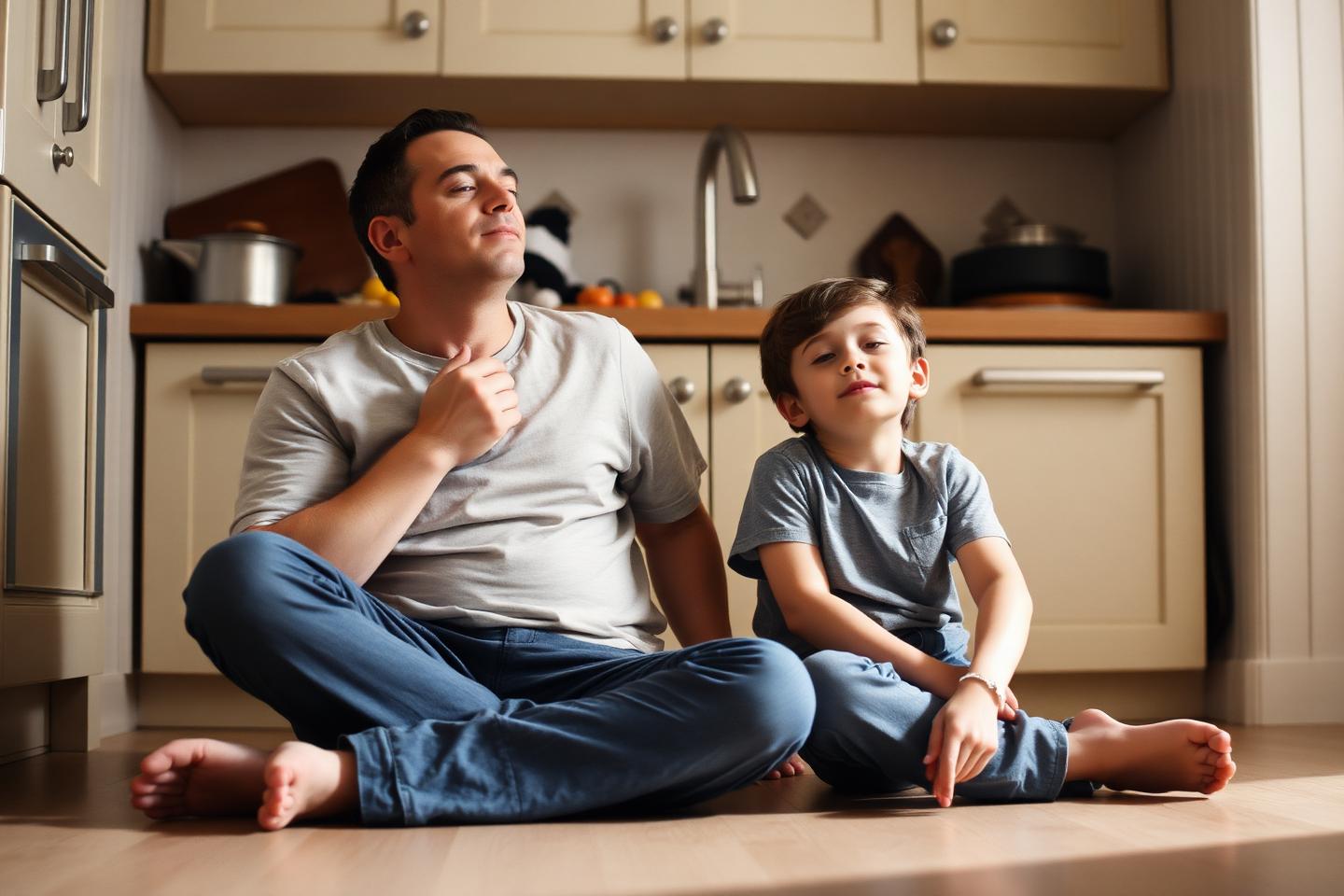
A parent and child sitting together on wooden floorboards in soft window light
Emotional Regulation

Borrowing Calm: How Children Regulate Through Us

Children cannot regulate themselves in a room where no one else is regulated. Co-regulation is the whole mechanism — and it is quieter than it sounds.

Read
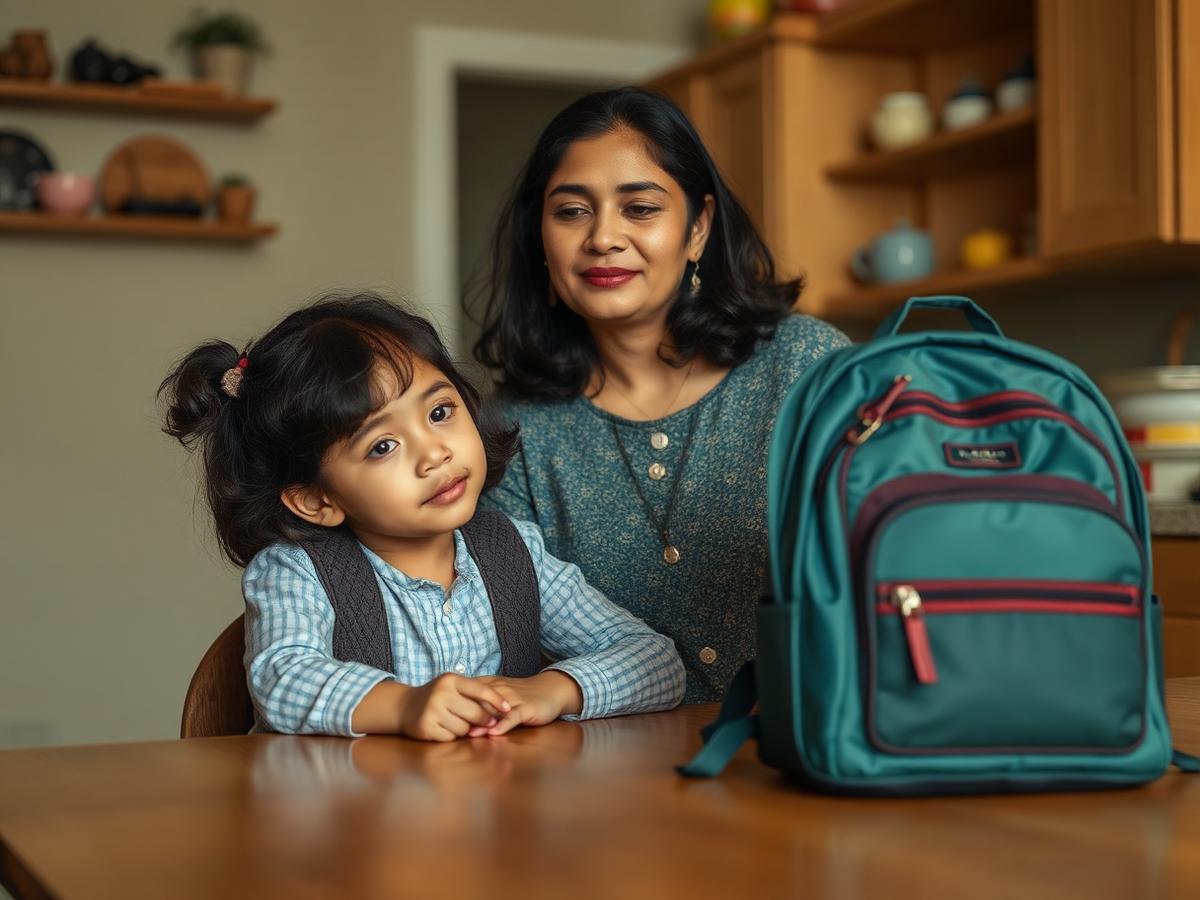
A school backpack and shoes waiting by a front door in early morning light
School Refusal

When School Becomes Too Much: Understanding School Refusal

School refusal is almost never about school. It is about a nervous system that has learned mornings are dangerous — and it responds to graded practice, not persuasion.

Read
A parent sitting beside their child on the stairs, hand resting gently on their back
Family Life

How to Repair After You Lose Your Temper

The rupture is not the thing that shapes a child. What happens in the two hours afterwards is — and most of us were never taught how to do it.

Read
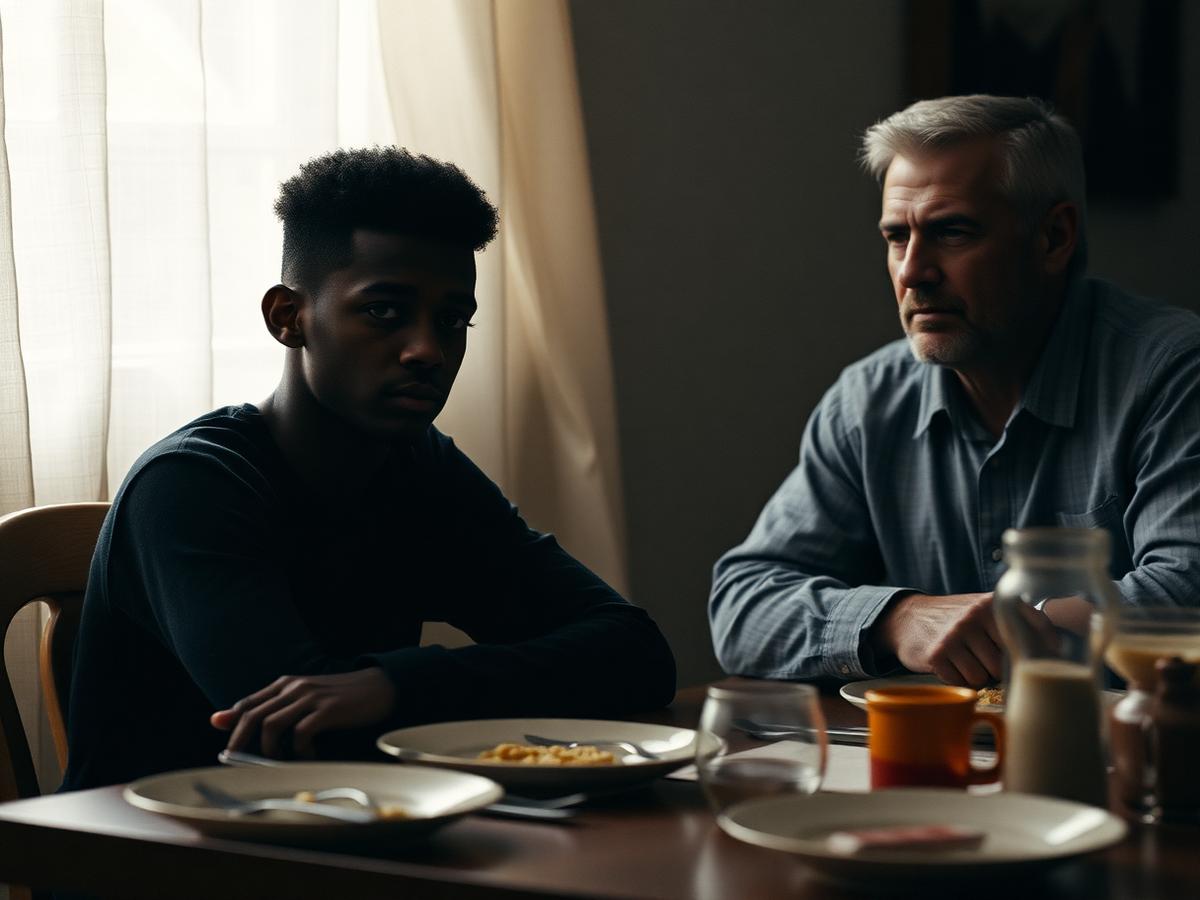
A family dining table in warm late light after a shared meal
Family Life

The Family Climate: The Emotional Weather Children Grow In

Children do not grow up in a set of parenting techniques. They grow up in a weather system — and the weather is largely made by the adults.

Read
A teenager sitting on the end of a bed with a parent visible in the hallway light
Teen Mental Health

When Your Teenager Stops Talking to You

Silence at fifteen is rarely rejection. It is a developmental task, a bid for privacy, and sometimes a signal — and it responds to presence far better than to questions.

Read
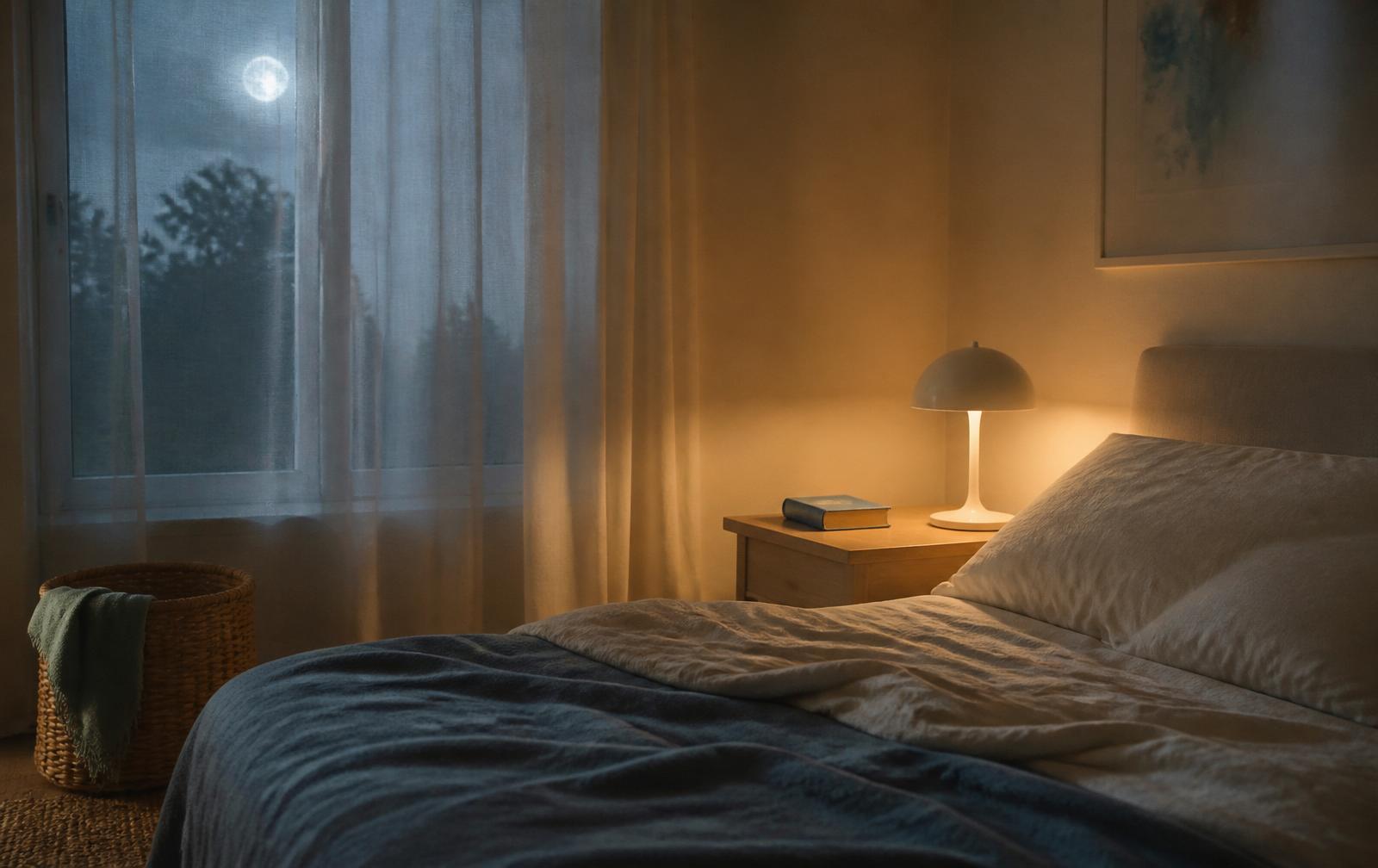
A child's bedroom prepared for sleep at dusk with a small warm lamp and books
Sleep

The Science of Sleep: Why Bedtime Falls Apart and How to Rebuild It

Almost every difficulty a family brings to therapy is worse on four hours' sleep. Bedtime is not a discipline issue — it is a physiological sequence, and sequences can be rebuilt.

Read
The Thrive Journal

One considered letter, once a week

For parents who want calmer mornings, kinder conversations, and a little more confidence. No promotions, no noise — just insight that fits real life.

Thrive ConciergeAsk a Parenting Question