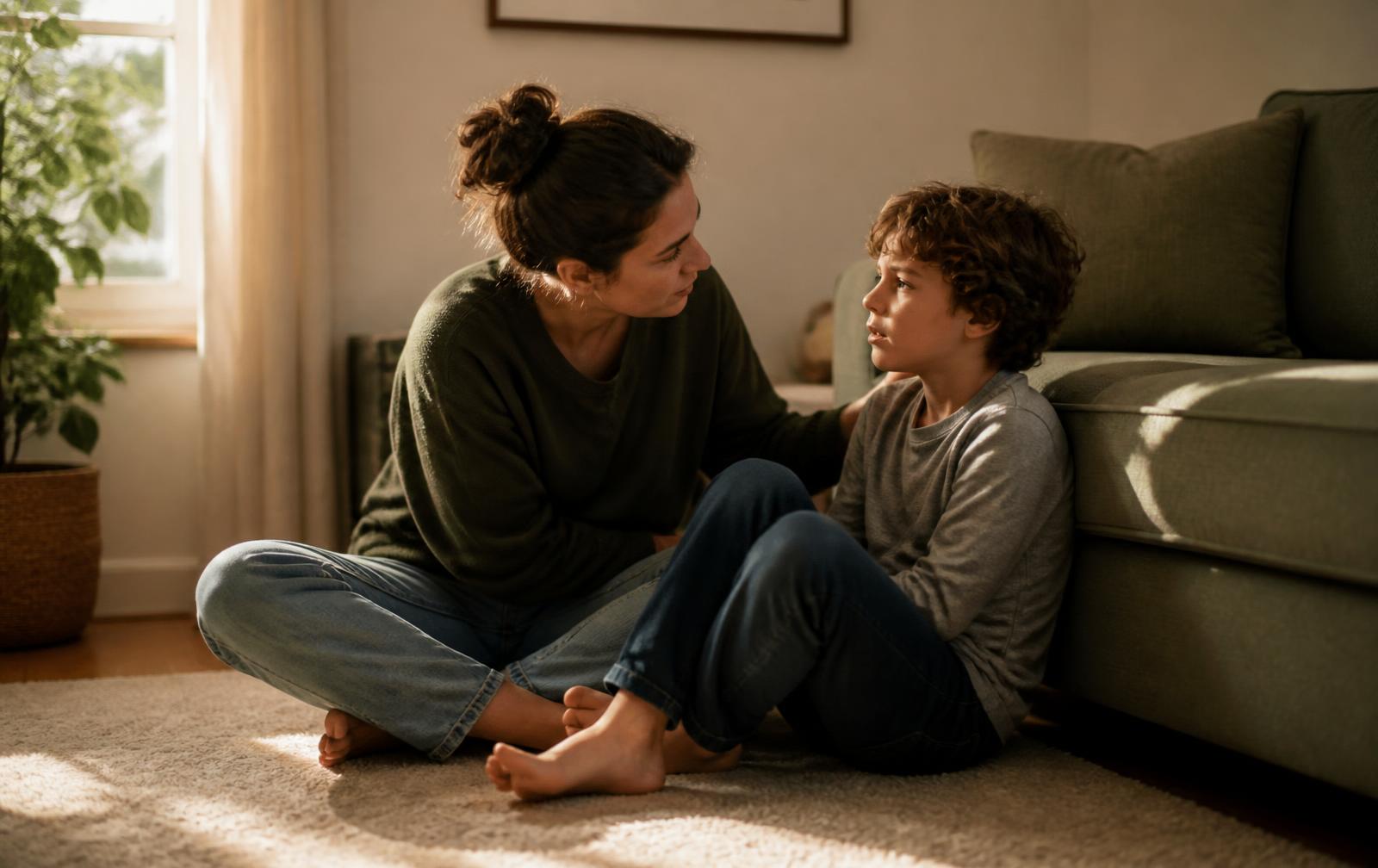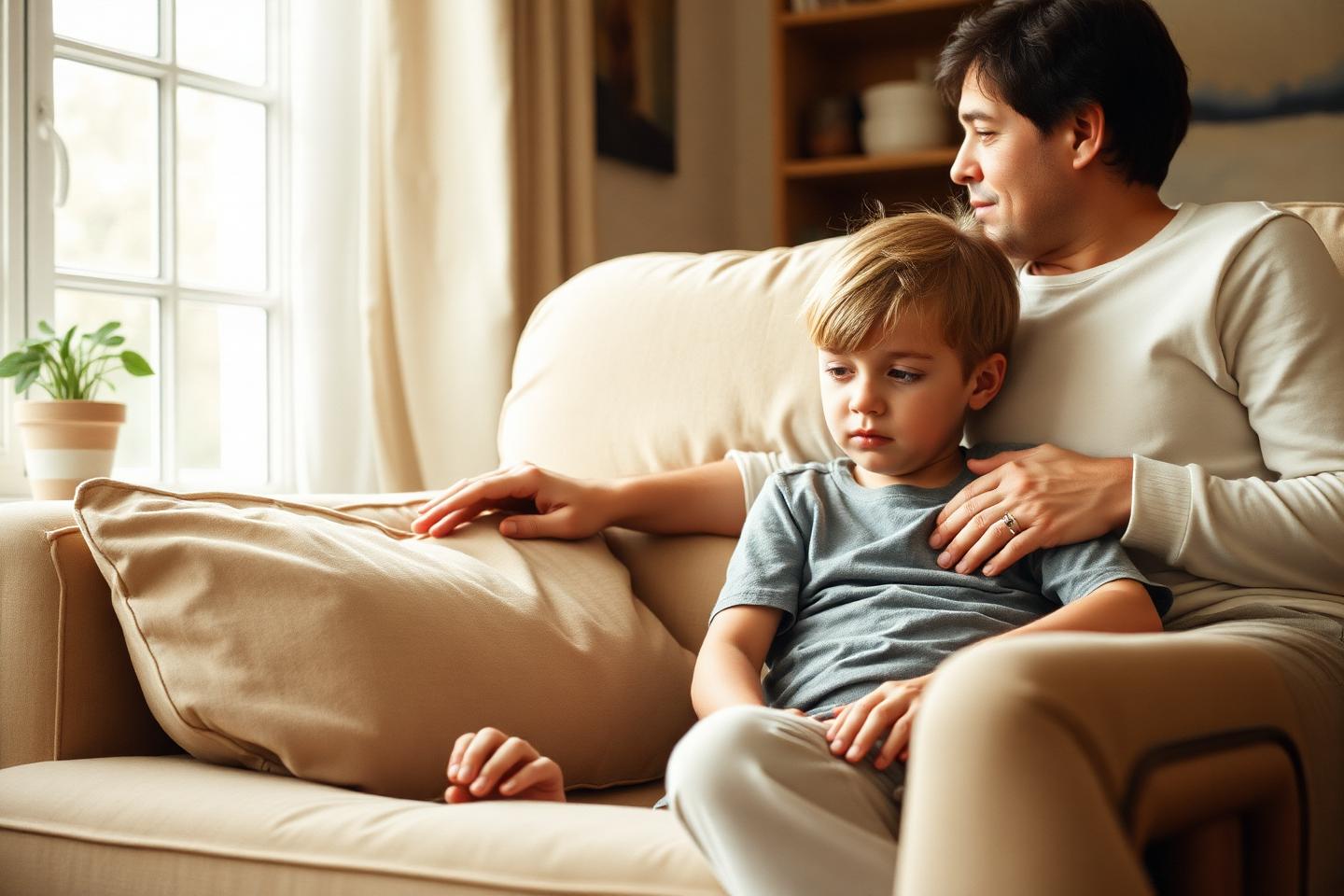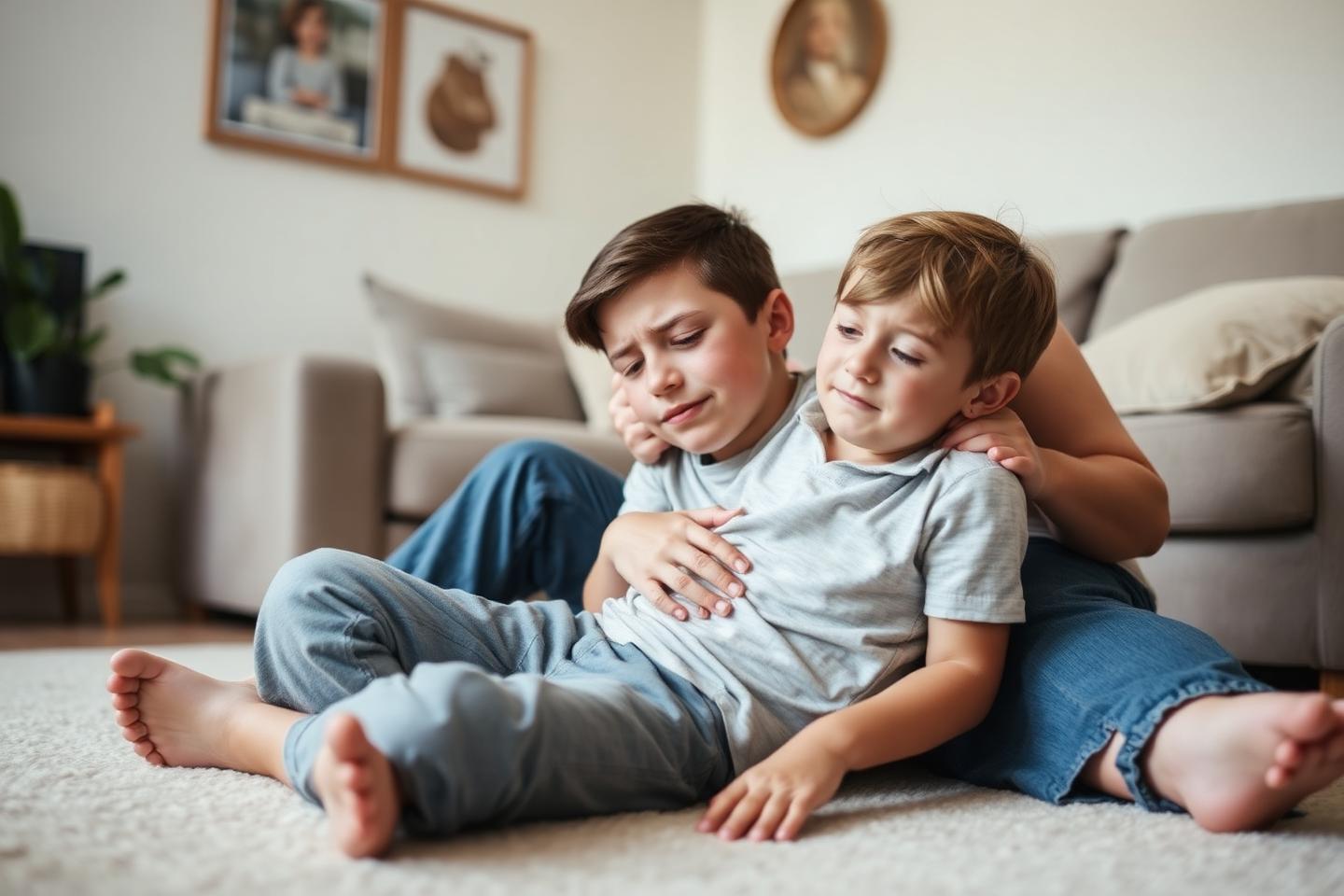
The Child Who Falls Apart at the Smallest Correction
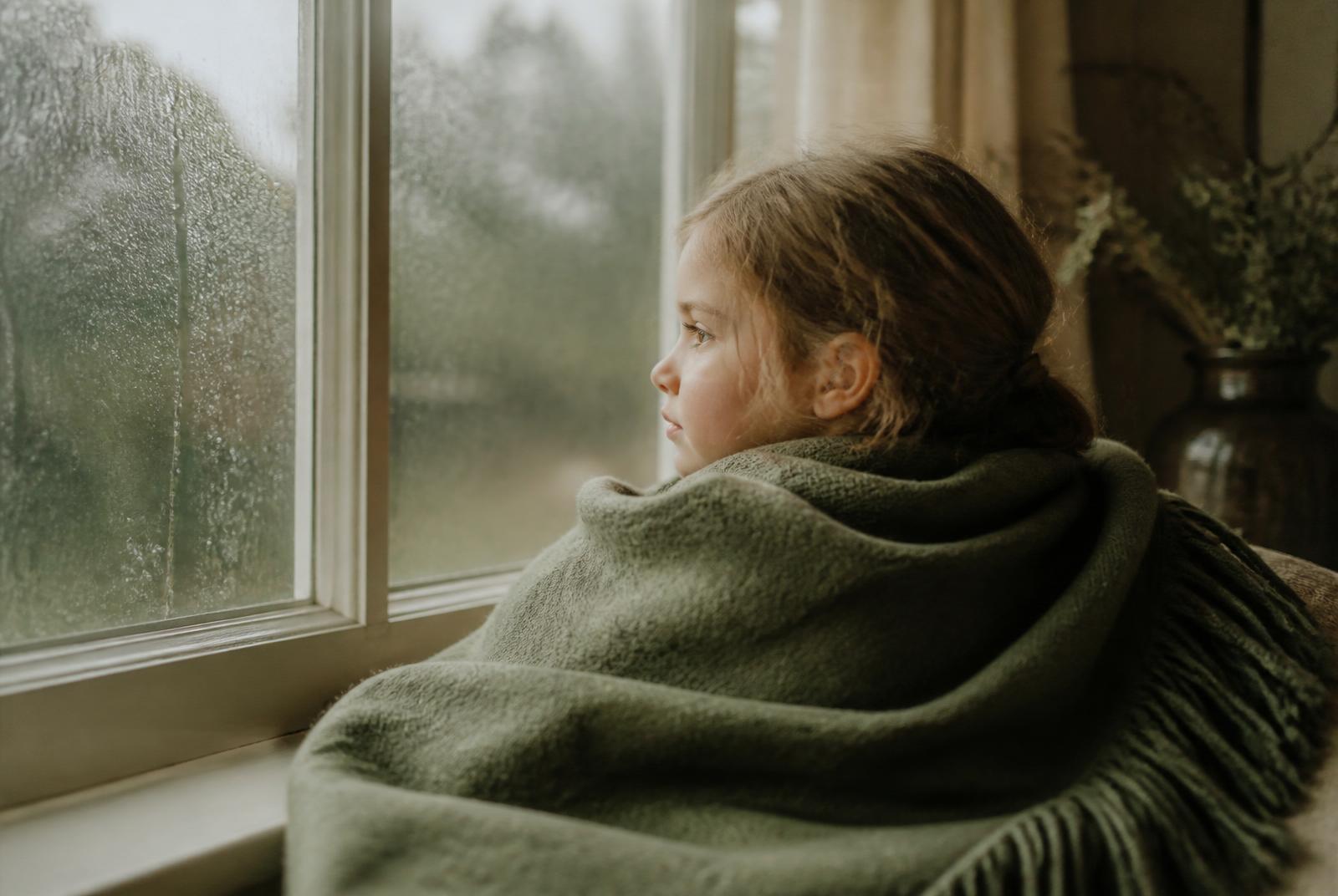
A raised eyebrow, an uninvited weekend, a gently worded note in the margin — and the reaction lasts for hours. This is rejection sensitivity, and it is far more common than most parents are told.

What is happening inside a dysregulated child, and how co-regulation teaches the skill they are missing.

A raised eyebrow, an uninvited weekend, a gently worded note in the margin — and the reaction lasts for hours. This is rejection sensitivity, and it is far more common than most parents are told.

Teachers describe a model student. You open the car door and get a stranger. This is not bad behaviour — it is the bill arriving for six hours of self-control.
Read
The diagnostic criteria talk about attention and impulsivity. Families almost always come in talking about the size of the feelings — and they are describing the same condition.
Read
Yelling is rarely a discipline choice. It is what happens when a nervous system runs out of room. Which is good news — because capacity can be rebuilt.
Read
Not crafts to fill an afternoon. Short, repeatable practices that train a child's nervous system to come back down — and the reason most of them fail if you introduce them at the wrong moment.
Read
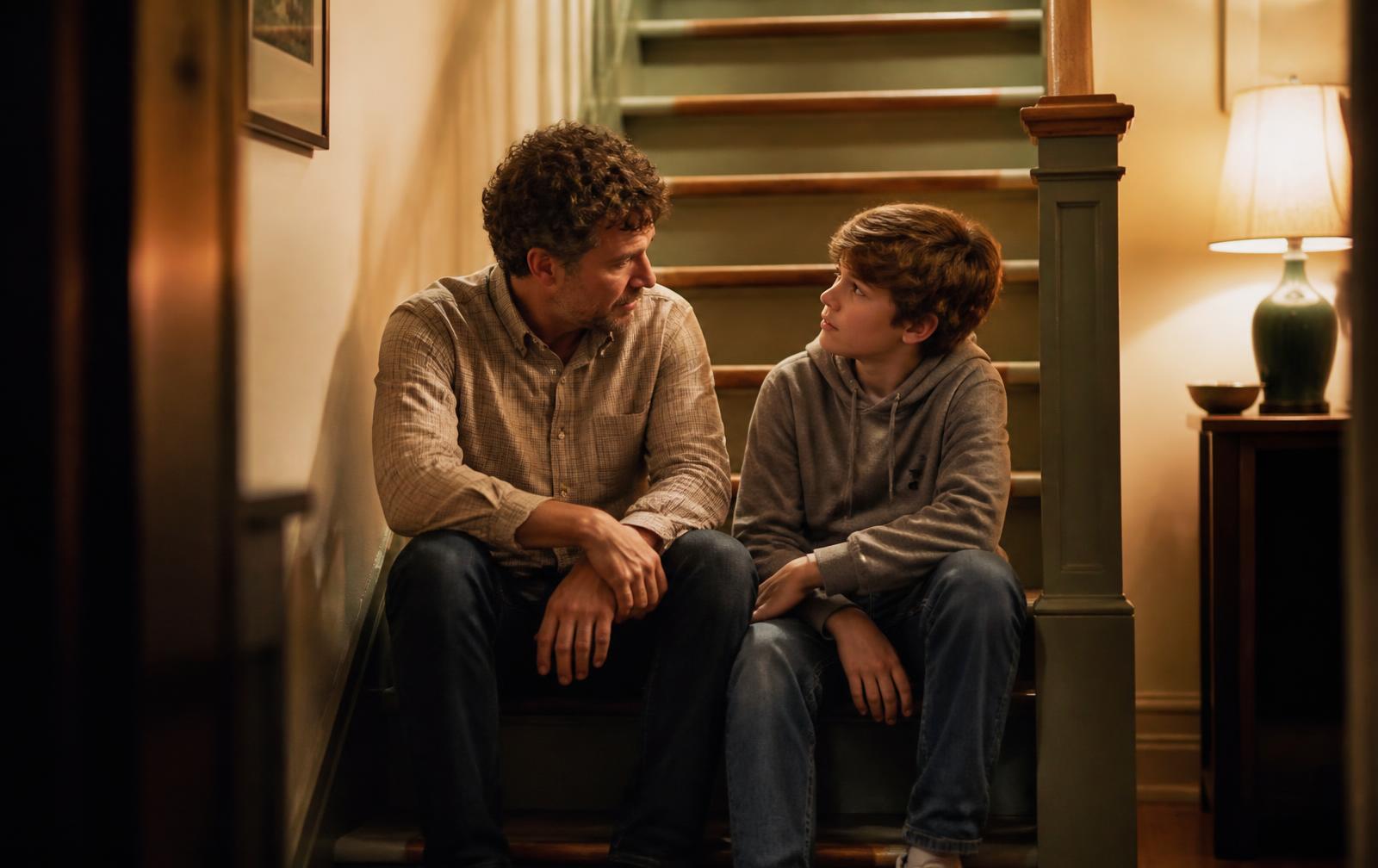
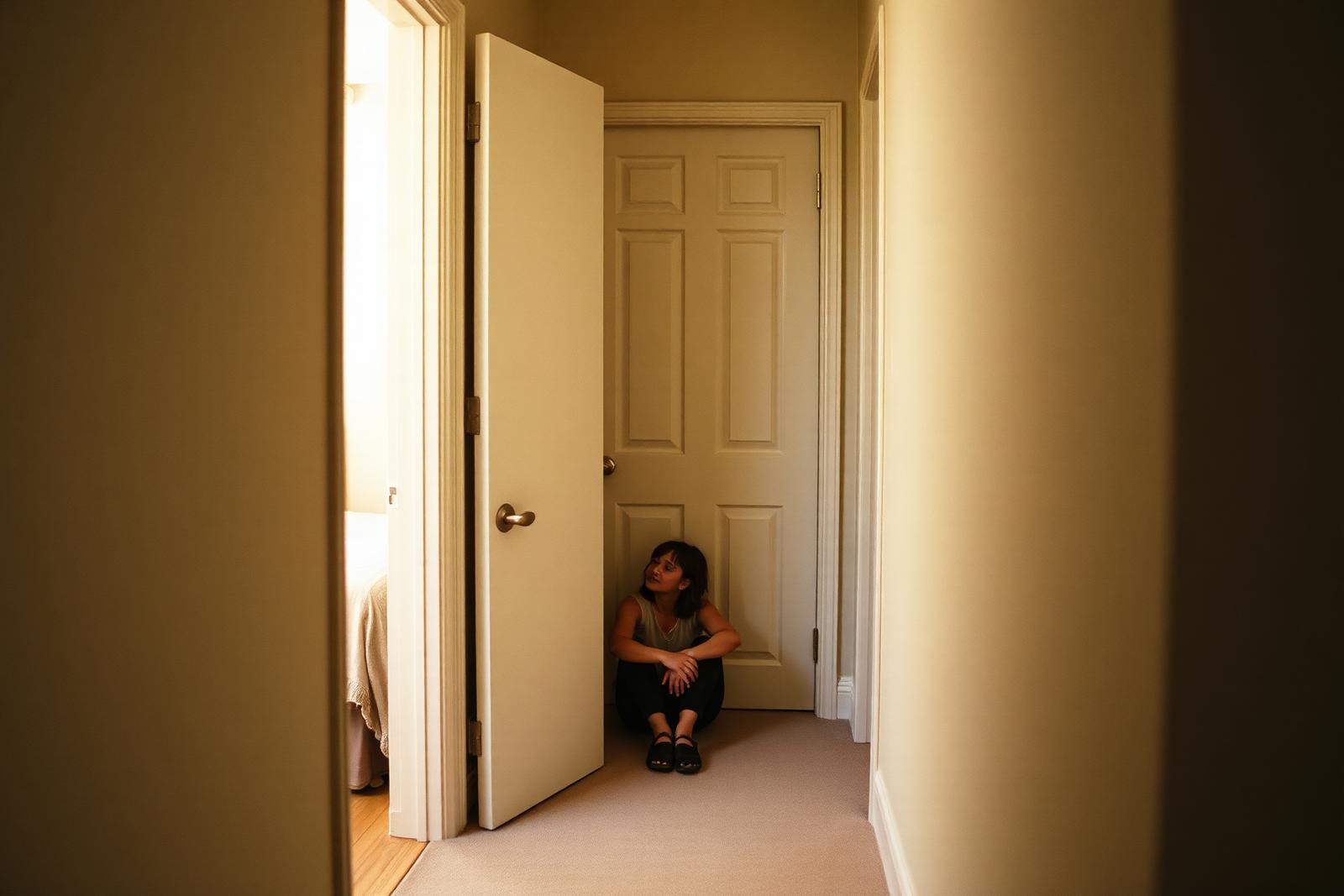
The child slamming the door is often the most frightened person in the house. Fear and fury run on the same circuit — and at home, only one of them feels safe to show.
Read
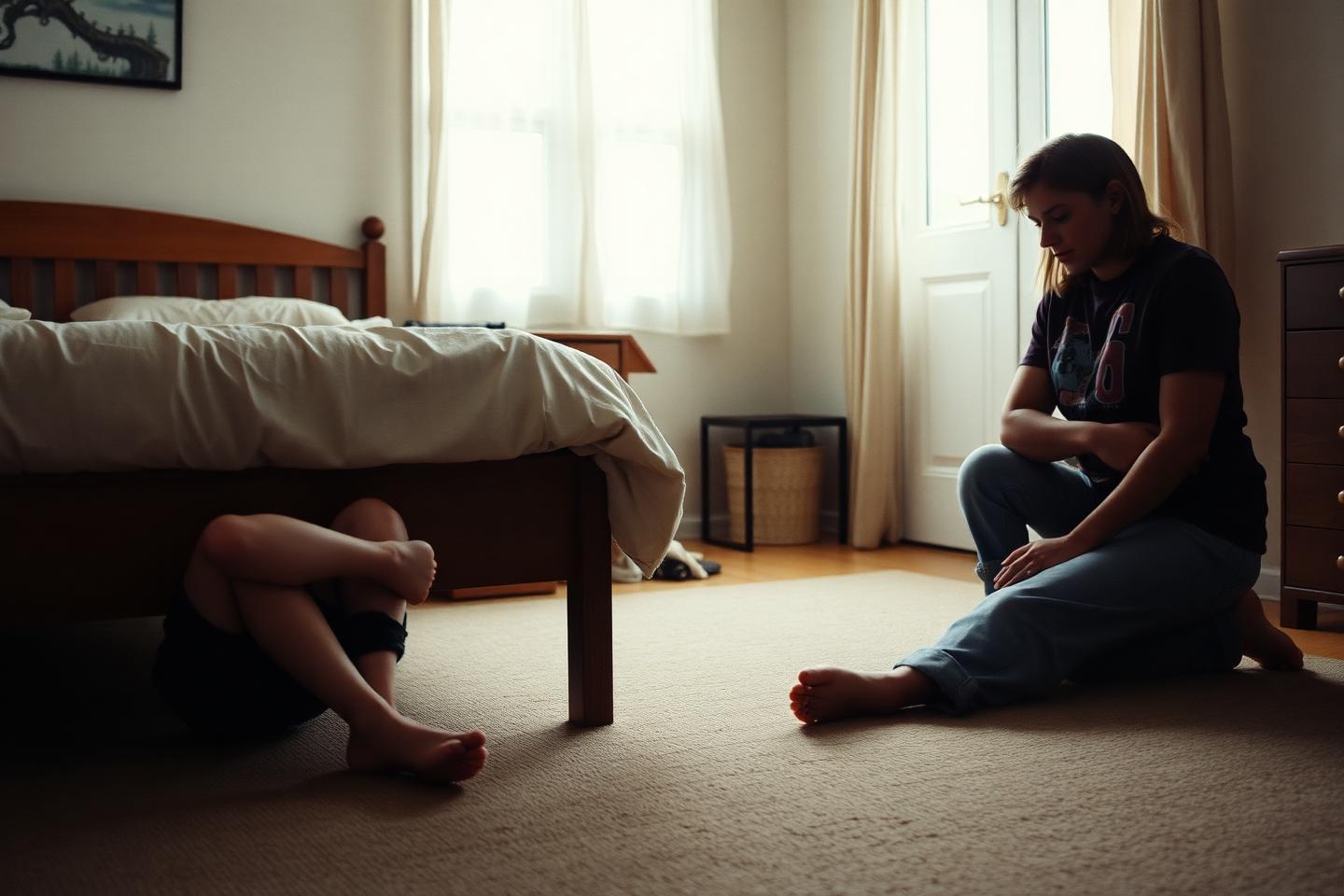
Consequences are not the problem. Timing is. What we do in the ninety seconds after a child loses control decides whether they learn regulation or learn concealment.
Read
Children do not grieve in a straight line, and they rarely grieve when we are ready. What they need is not the perfect explanation, but somewhere reliable to bring it.
Read
The child who never causes trouble, always tries hard and cannot bear to get it wrong is not thriving quietly. Perfectionism is anxiety wearing its most convincing disguise.
Read
It is one of the most frightening sentences in family life, and one of the least meaningful. What matters is not the sentence — it is the ninety seconds that follow it.
Read
The supermarket, the school hall, the label in the collar. For some children the volume of ordinary life is turned up in a way nobody around them can hear — and the behaviour that follows is almost always misread.
Read
Climate, conflict, headlines they were never meant to see. Children are absorbing global fear at an age when the world should still feel small — and reassurance alone will not hold it.
Read
Three states that look similar from across the room and need almost opposite responses from you.
Read
Children cannot regulate themselves in a room where no one else is regulated. Co-regulation is the whole mechanism — and it is quieter than it sounds.
Read
Not magic words. Short sentences that ask nothing of a brain that currently cannot answer — and a few of the well-meant ones that quietly make things worse.
Read
Most of what parents are taught about big emotions happens too late. The window that matters most opens in the first three minutes — and what you do there decides how the next hour goes.
ReadFor parents who want calmer mornings, kinder conversations, and a little more confidence. No promotions, no noise — just insight that fits real life.
Thank you — your first letter arrives on Sunday.