
When the World Gets In: Helping Children Cope With the News
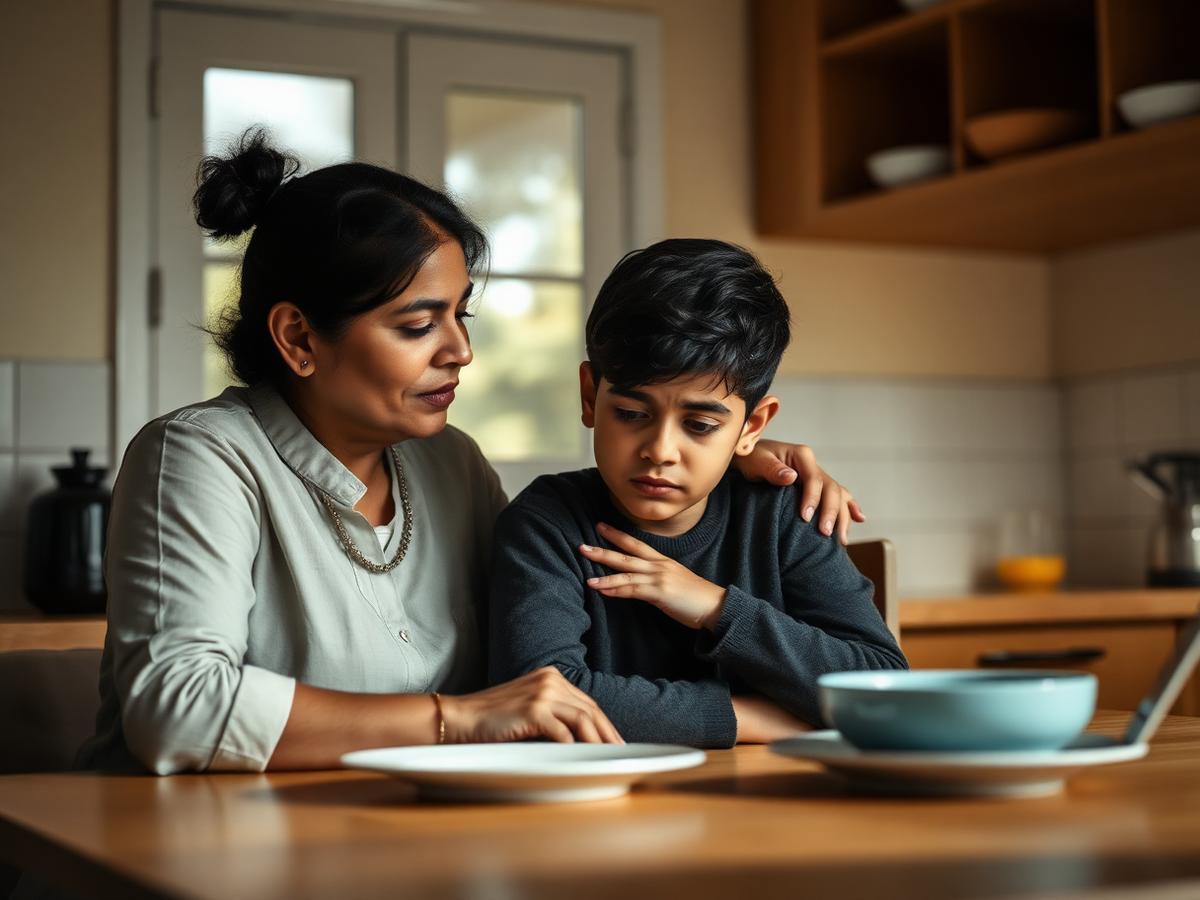
Children no longer hear the news at six o'clock. They absorb it in fragments, without context, from a phone in a bedroom — and then bring you the questions at bedtime.

The alarm system explained in plain language, with graded, everyday practice that builds durable courage.

Children no longer hear the news at six o'clock. They absorb it in fragments, without context, from a phone in a bedroom — and then bring you the questions at bedtime.

Some children do not refuse because they will not. They refuse because a request — any request, even a welcome one — registers in the body as danger.
Read
It is not shyness, and it does not pass with time on its own. Social anxiety is a fear of being judged — and every kindness that helps a child avoid it makes it a little larger.
Read
Autistic girls are diagnosed later, less often, and usually only after something breaks. Here is what is being overlooked, and why it matters.
Read
The instinct is to fix it in an afternoon. The thing that actually restores a child is slower, quieter and almost entirely about whether they feel believed.
Read
Teenage depression rarely announces itself as sadness. More often it arrives as irritability, exhaustion and a slow withdrawal that looks, from the outside, like an ordinary phase.
Read
A child who knows the material and still freezes is not underprepared. They are over-alerted — and that is a different problem with a different solution.
Read
It is almost never defiance, and it is very rarely about the lessons. A clear-eyed guide to the mornings that stop working — and the plan that gets a child back in.
Read
The instinct to stay one more minute is loving, reasonable, and the single most reliable way to make tomorrow morning harder.
Read
The child slamming the door is often the most frightened person in the house. Fear and fury run on the same circuit — and at home, only one of them feels safe to show.
Read
By four o'clock a child has already spent six hours regulating themselves in a demanding environment. The worksheet is not the problem — the timing, the tank and the referee's role are.
Read
The child who rips up the page, refuses to start, or cries over a single mark is not being dramatic. They are managing a belief that their worth is recalculated with every attempt.
Read
Mealtimes turn into a contest the moment eating becomes something a child can win or lose. The way out is to stop competing — carefully, and on purpose.
Read
Telling an unconfident child that they are wonderful rarely works. Self-esteem is built from evidence, not reassurance — and evidence takes a particular kind of parenting.
Read
Almost every parent handles this discovery badly the first time — usually because they respond to the object rather than to the young person holding it.
Read
The child who never causes trouble, always tries hard and cannot bear to get it wrong is not thriving quietly. Perfectionism is anxiety wearing its most convincing disguise.
Read
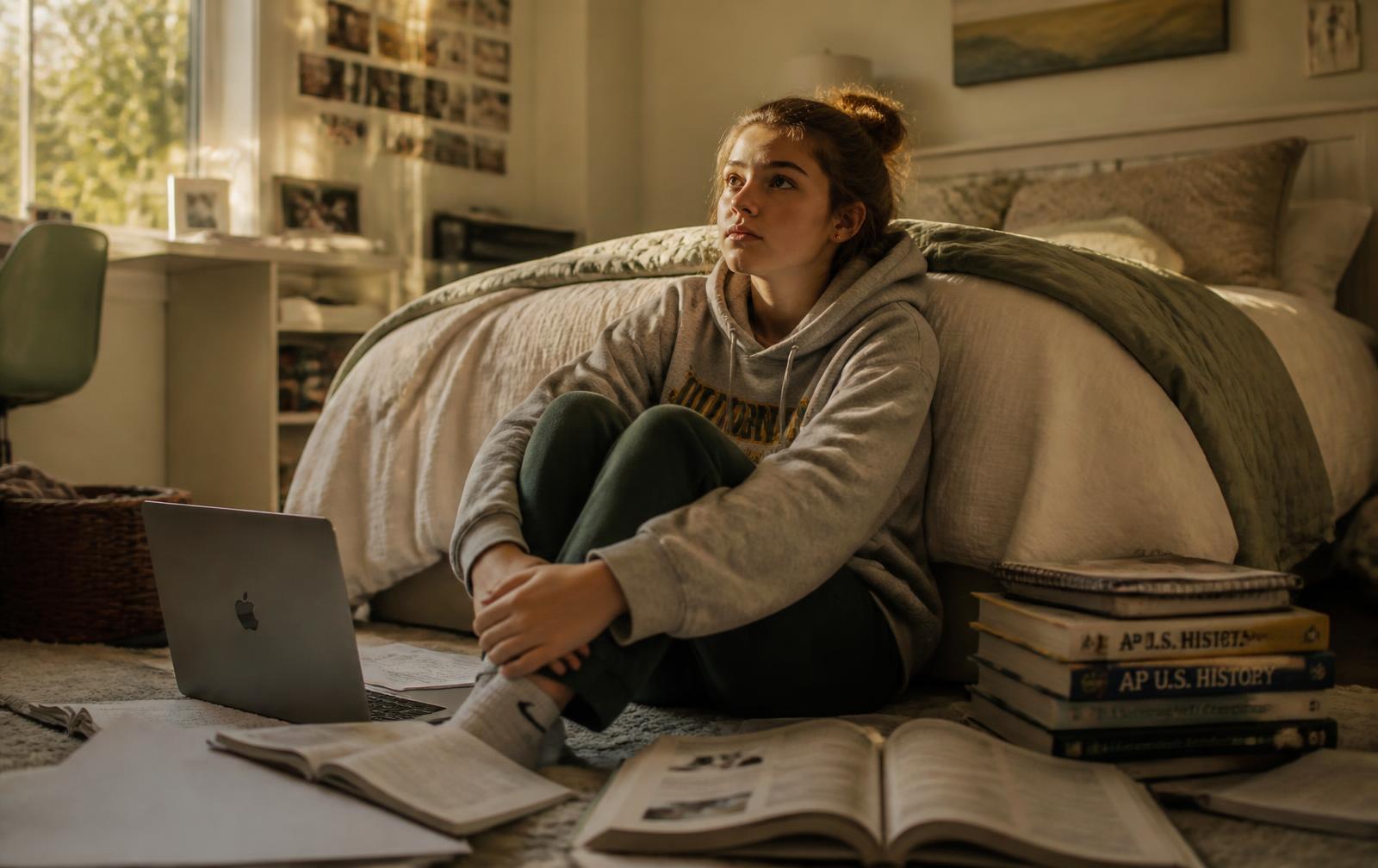
The horizontal teenager on the bedroom floor is rarely refusing to start. They are stuck at the point where the size of the task has exceeded their capacity to enter it.
Read
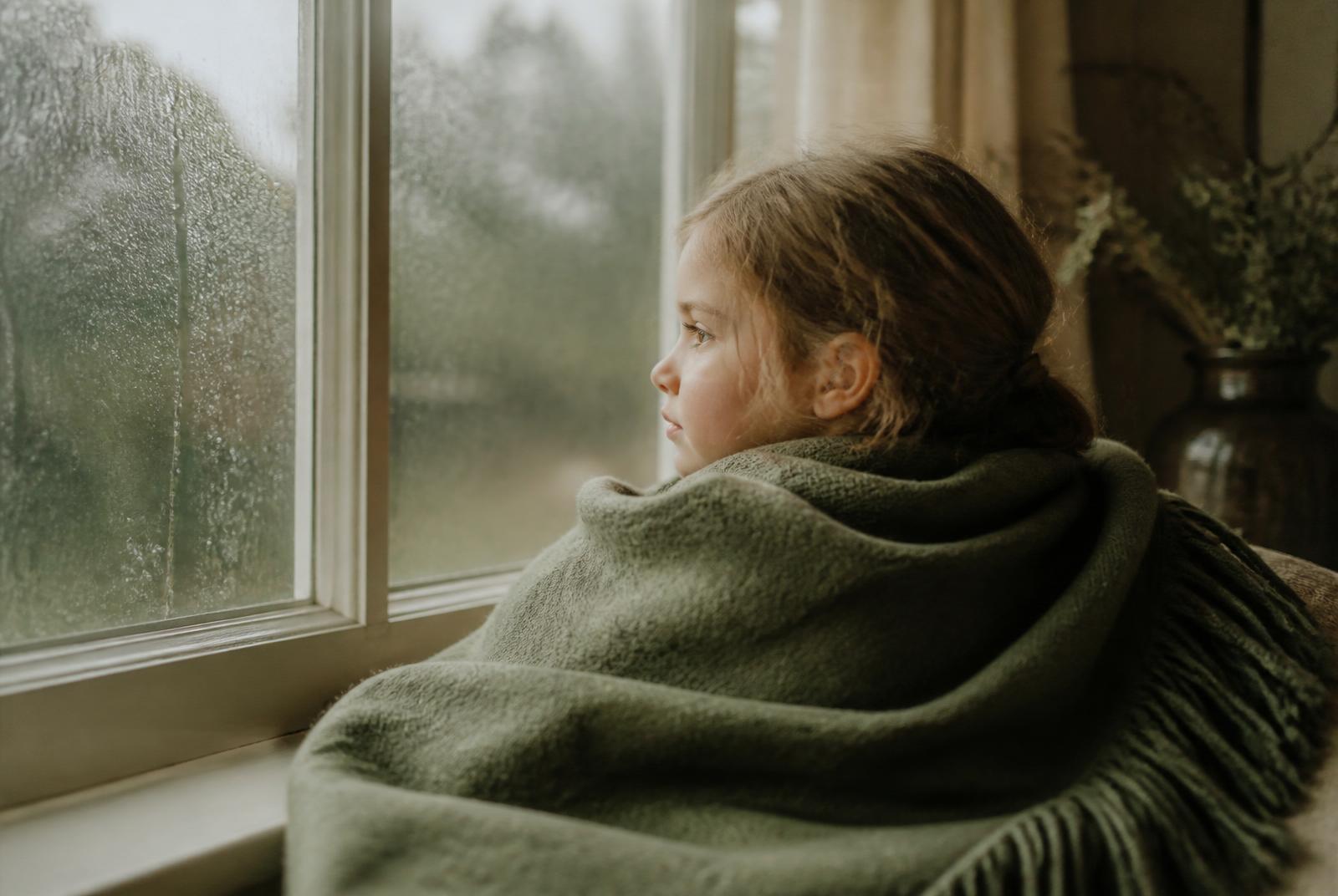
Climate, conflict, headlines they were never meant to see. Children are absorbing global fear at an age when the world should still feel small — and reassurance alone will not hold it.
Read
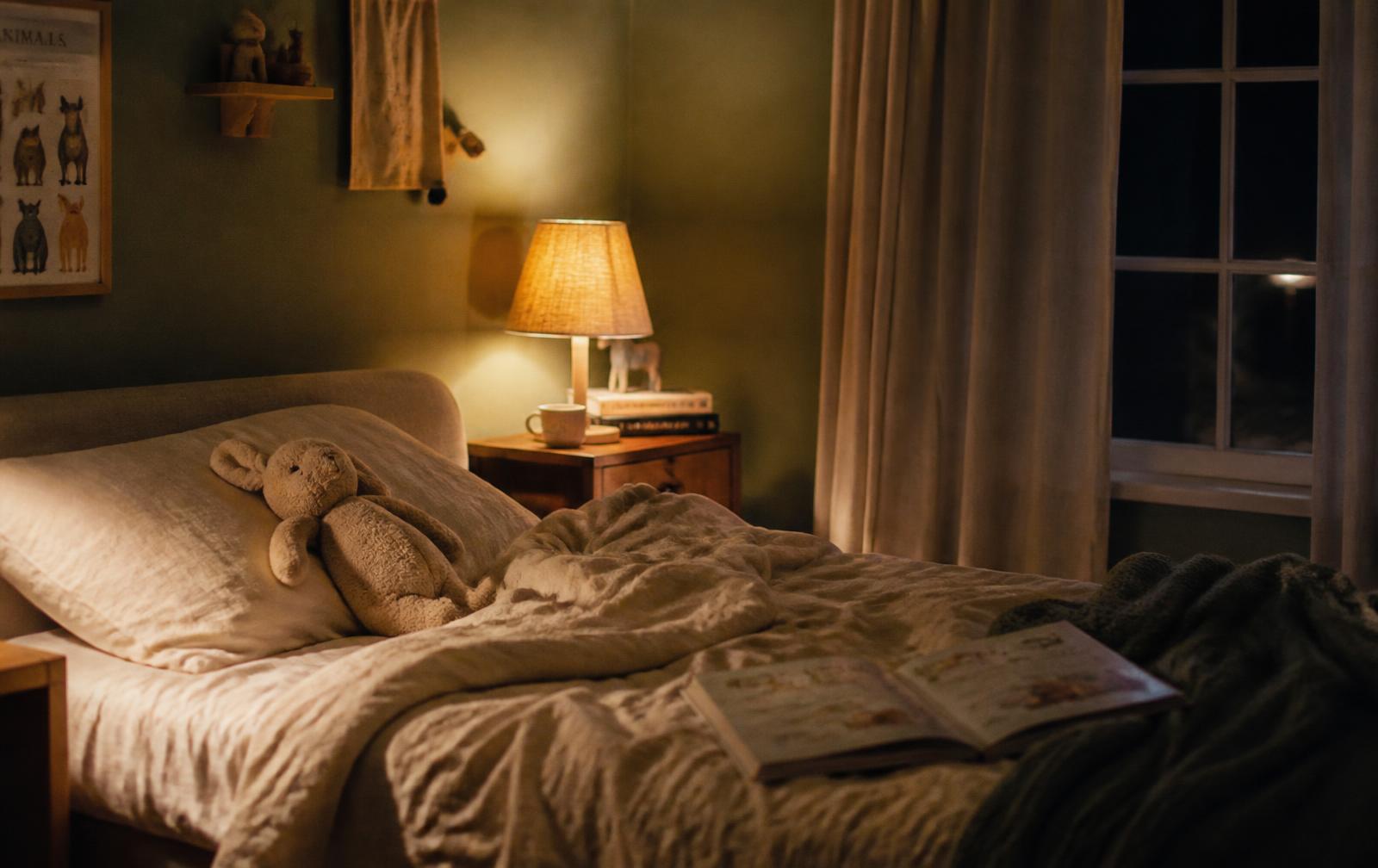
Bedtime is the first moment all day with no distraction, no noise and nothing to do but think. For an anxious child, that is not rest. That is exposure.
Read
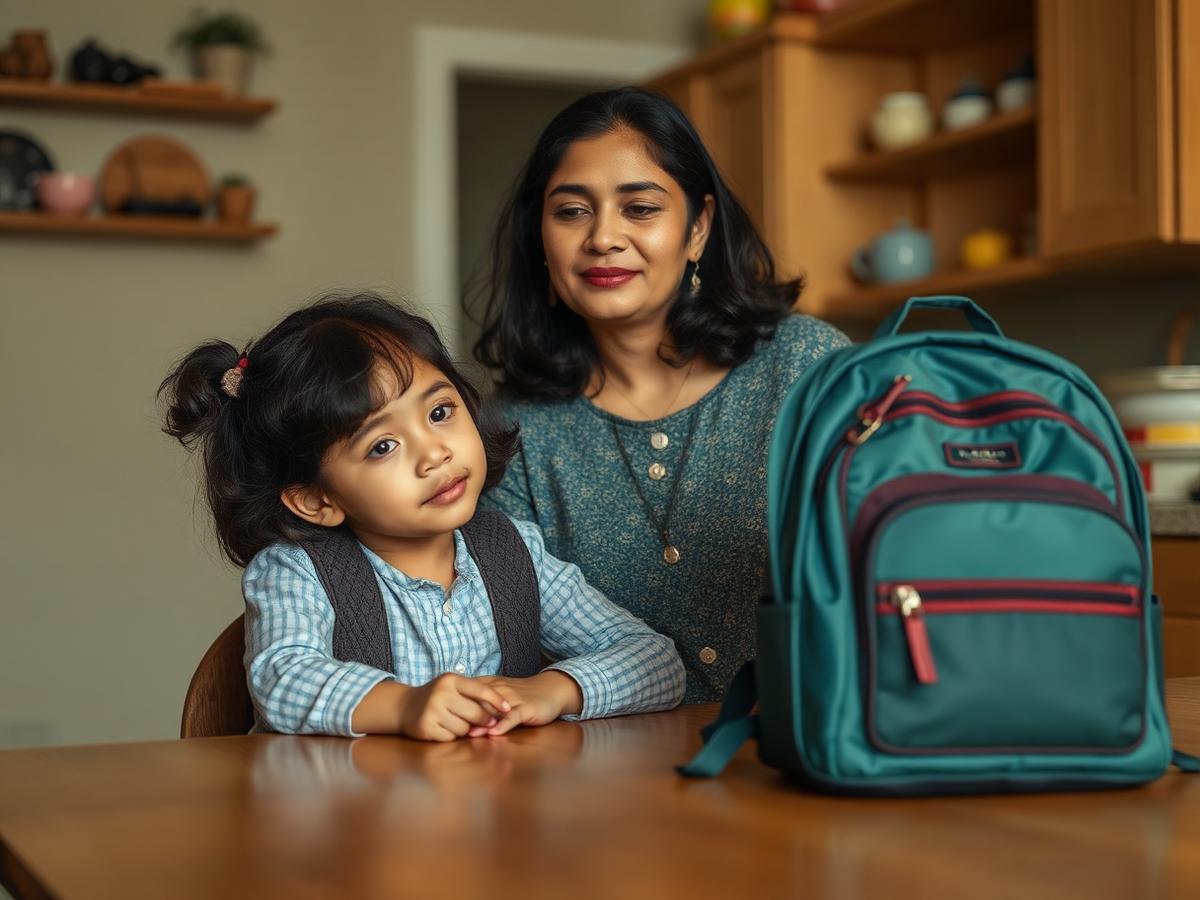
School refusal is almost never about school. It is about a nervous system that has learned mornings are dangerous — and it responds to graded practice, not persuasion.
Read
Courage is not the absence of fear, and it cannot be given as a pep talk. It is built one rung at a time, in the presence of someone who believes you can climb.
Read
Almost every difficulty a family brings to therapy is worse on four hours' sleep. Bedtime is not a discipline issue — it is a physiological sequence, and sequences can be rebuilt.
Read
Reassurance feels like the kindest response to a worried child — and it is often the reason the worry keeps returning. Here is what anxiety is really asking for, and how to give it.
ReadFor parents who want calmer mornings, kinder conversations, and a little more confidence. No promotions, no noise — just insight that fits real life.
Thank you — your first letter arrives on Sunday.