Skip to content
← The Thrive JournalCollection

School & Learning

Mornings, homework and belonging

Separation, refusal, learning differences and the long tired afternoons that follow a full school day.

The archive

More in School & Learning

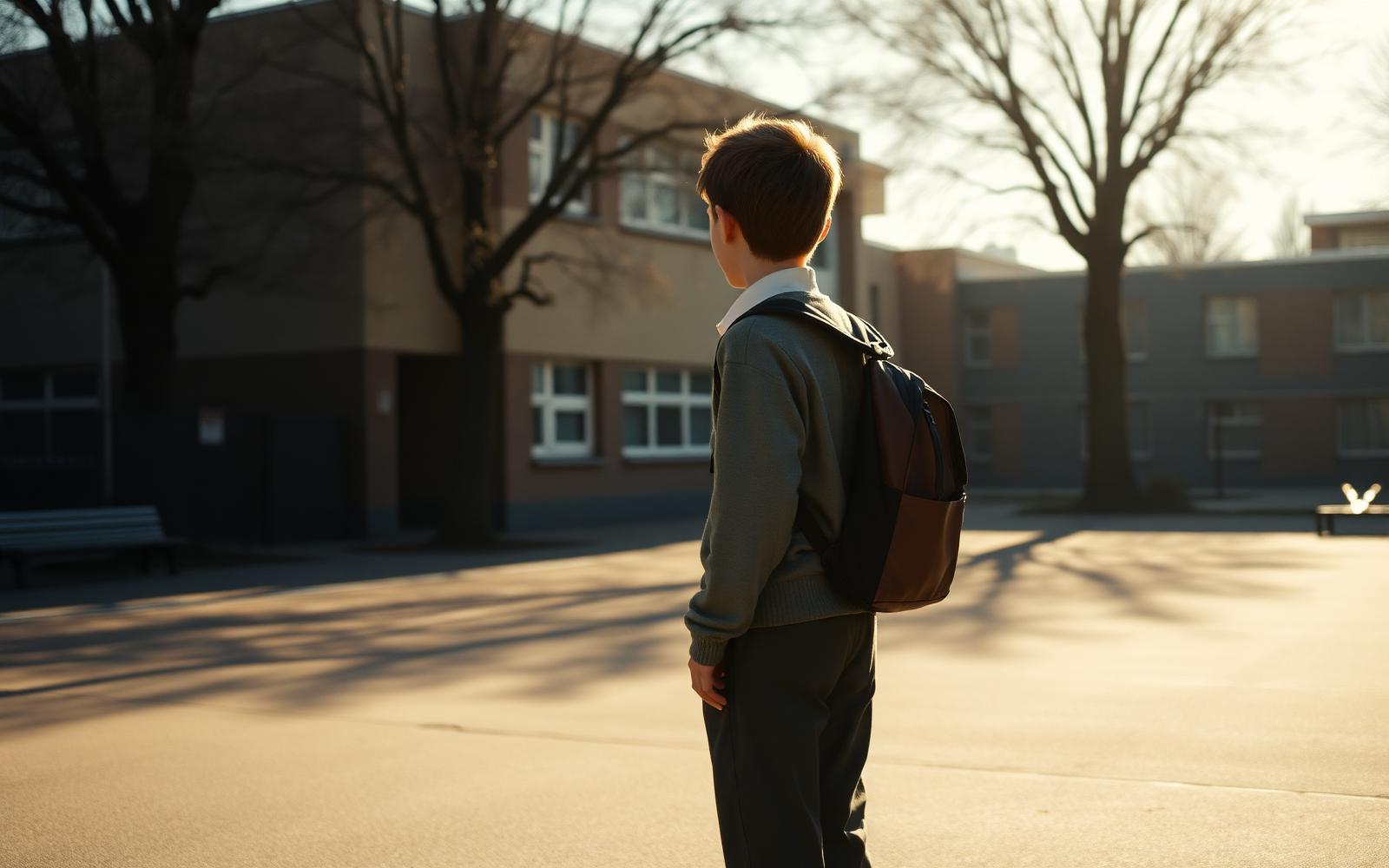
A school-age boy of about eleven standing alone at the edge of a sunlit school playground, seen from behind
Anxiety & Worry

The Edge of the Playground: Social Anxiety in Children

It is not shyness, and it does not pass with time on its own. Social anxiety is a fear of being judged — and every kindness that helps a child avoid it makes it a little larger.

Read
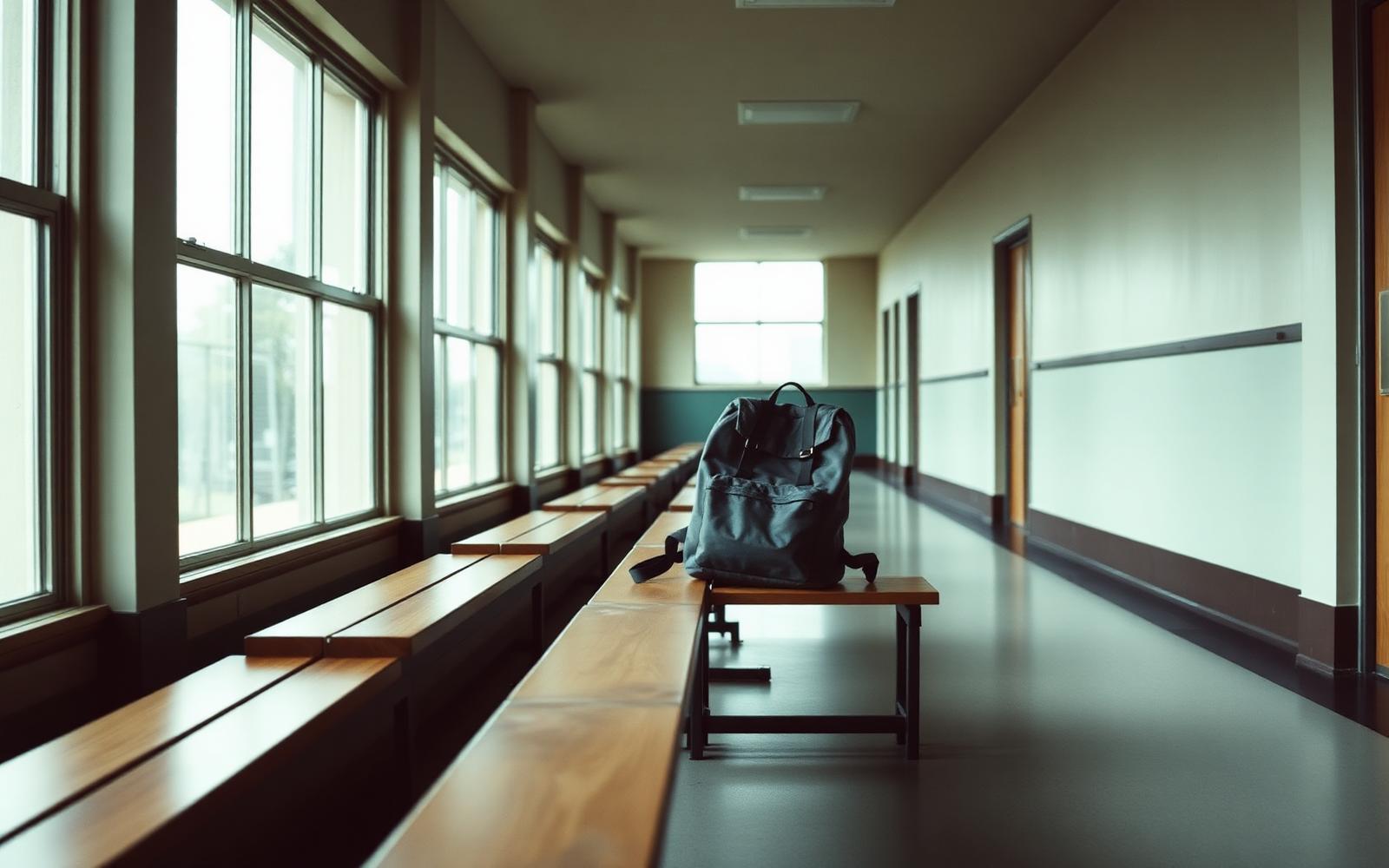
An empty school corridor bench with a single canvas backpack resting on it in soft morning light
Friendships & Social Skills

The Corridor: What to Do When Your Child Is Being Bullied

The instinct is to fix it in an afternoon. The thing that actually restores a child is slower, quieter and almost entirely about whether they feel believed.

Read
A sharpened pencil and a blank sheet of paper on linen beside a glass of water in soft window light
School & Learning

The Night Before: Helping a Child With Test Anxiety

A child who knows the material and still freezes is not underprepared. They are over-alerted — and that is a different problem with a different solution.

Read
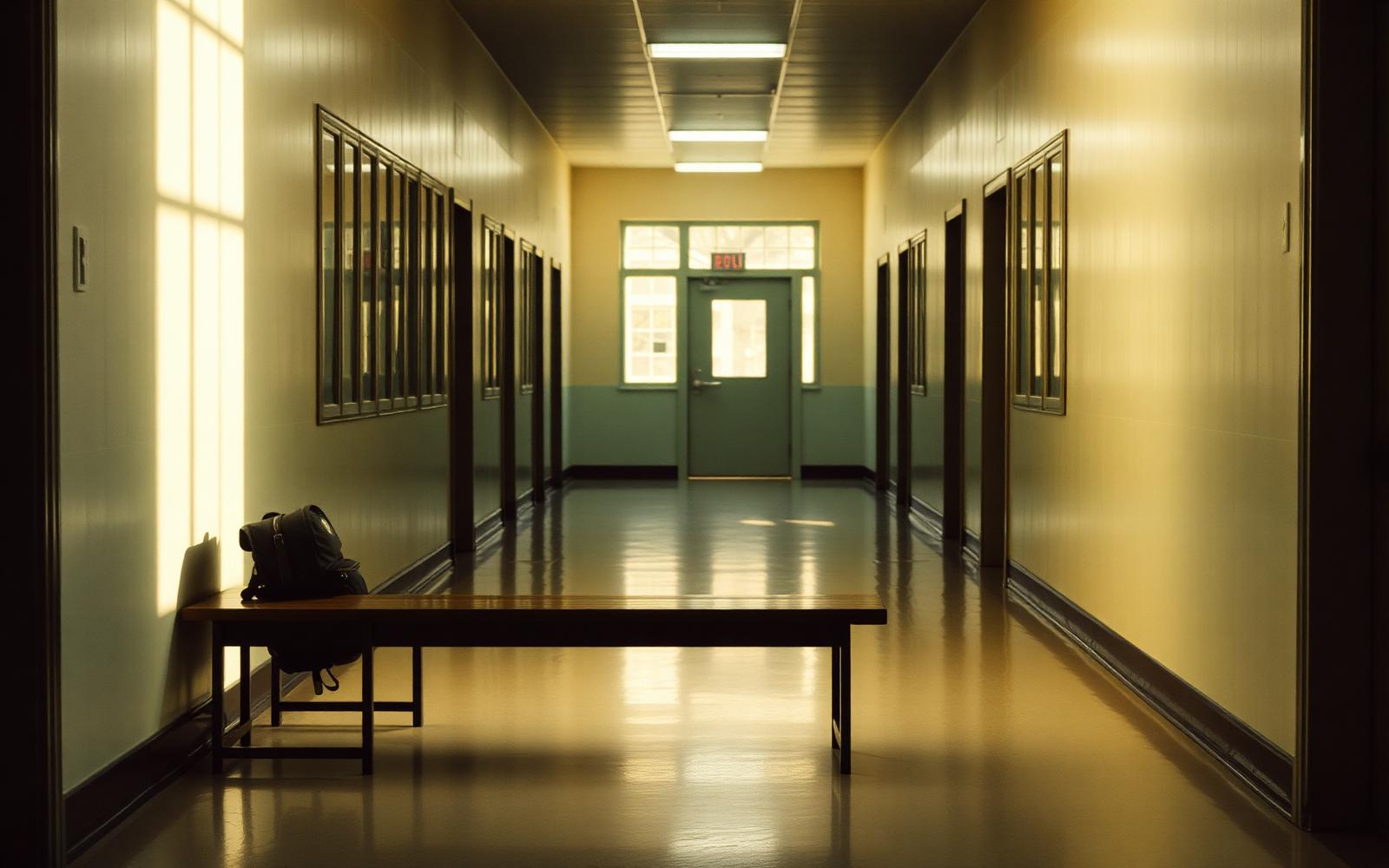
An empty school corridor in morning light with a single backpack on a bench
School Refusal

School Refusal: What Actually Helps When They Cannot Get Through the Door

It is almost never defiance, and it is very rarely about the lessons. A clear-eyed guide to the mornings that stop working — and the plan that gets a child back in.

Read
A parent walking beside a school-age child with a backpack towards a school gate in morning light
Anxiety

Separation Anxiety in Children: Why Longer Goodbyes Make It Worse

The instinct to stay one more minute is loving, reasonable, and the single most reliable way to make tomorrow morning harder.

Read
An unfinished worksheet, a pencil and a glass of water on a kitchen table
School

The Homework Hour: Ending the Nightly Standoff

By four o'clock a child has already spent six hours regulating themselves in a demanding environment. The worksheet is not the problem — the timing, the tank and the referee's role are.

Read
A child balancing along a mossy fallen log in soft morning woodland light
Confidence & Resilience

How to Build Resilience in Children (It Is Not Toughness)

Resilient children are not the ones who struggle least. They are the ones who have been supported through struggle often enough to believe it ends.

Read
A child in school uniform lying face-down on their bed, backpack dropped on the floor
ADHD

ADHD Burnout in Children Is Real

Holding it together for six hours a day costs something. When a capable ADHD child suddenly cannot do things they could do last term, this is usually what you are looking at.

Read
An exercise book with a torn-out page and neatly rewritten handwriting
Confidence

The Cost of Getting It Right: Perfectionism in Children

The child who rips up the page, refuses to start, or cries over a single mark is not being dramatic. They are managing a belief that their worth is recalculated with every attempt.

Read
A small vintage wooden chair draped with a sage knit blanket, beside an open memory box with a pressed fern and a handwritten note, in soft morning light
Grief

Small Griefs: Helping Children Carry Loss and Change

Children do not grieve in a straight line, and they rarely grieve when we are ready. What they need is not the perfect explanation, but somewhere reliable to bring it.

Read
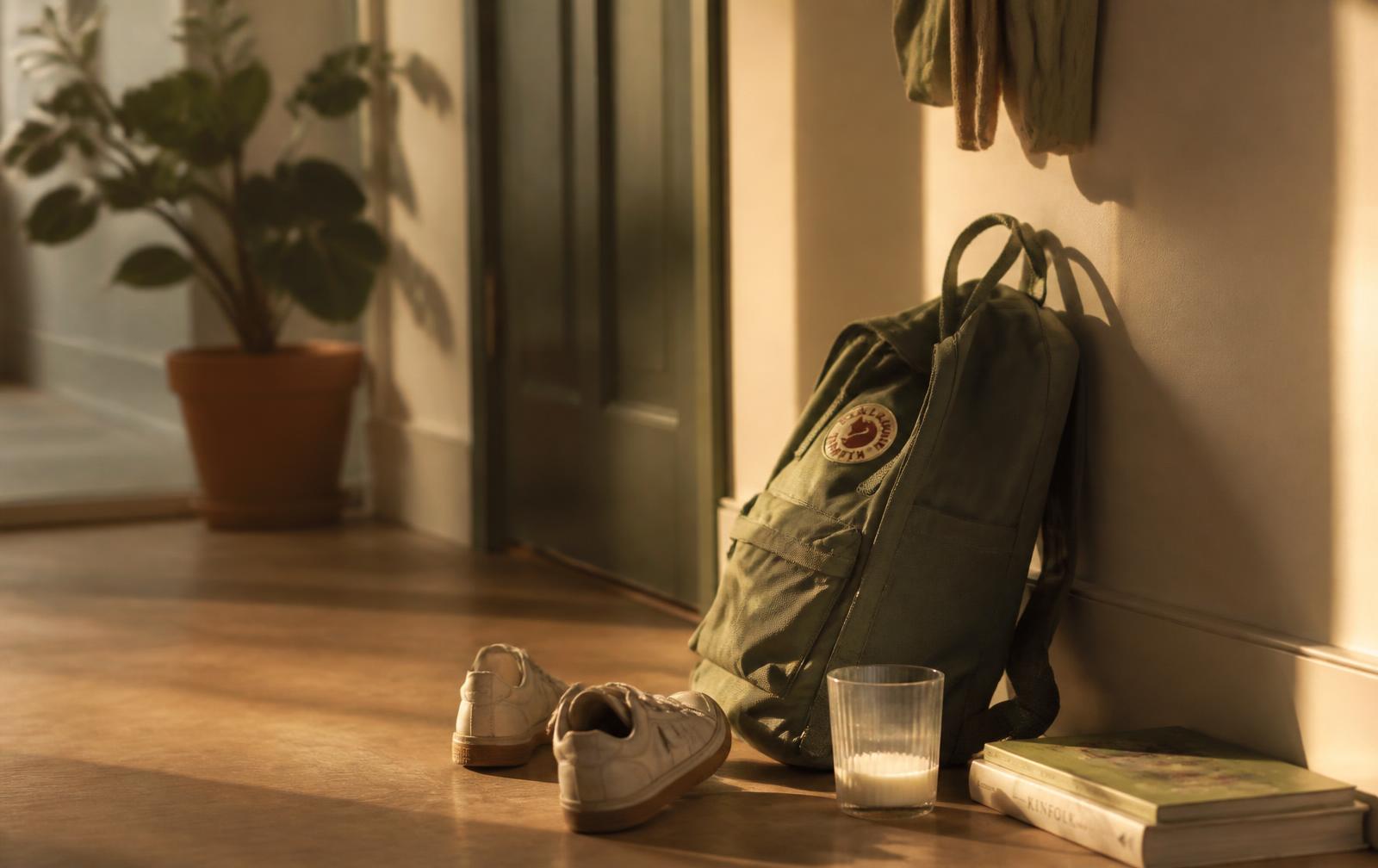
A linen school bag, one shoe and a half-finished glass of milk on a pale wooden floor in early morning light
Family Life

The Longest Hour: Rescuing the School Morning

Nobody is difficult in the morning. Everyone is under-resourced at the same time, in a house designed by no one, against a clock that does not negotiate.

Read
A small wooden chair beside a half-open door with a single folded note left on the seat
Behaviour

The Truth About Lying: What Children Are Really Protecting

A child who lies is almost never a child with a character problem. They are a child solving a problem — usually the problem of what happens next.

Read
A thoughtful child sitting on a windowsill in soft daylight
Confidence & Resilience

How to Help a Child With Low Self-Esteem (When Compliments Do Not Land)

Telling an unconfident child that they are wonderful rarely works. Self-esteem is built from evidence, not reassurance — and evidence takes a particular kind of parenting.

Read
An open notebook beside a worn eraser, pencil, and a small crumpled paper ball on a cream linen desk with eucalyptus
Confidence

The Weight of Being Good: Perfectionism in Quiet Children

The child who never causes trouble, always tries hard and cannot bear to get it wrong is not thriving quietly. Perfectionism is anxiety wearing its most convincing disguise.

Read
A teacher and a parent talking across a small table in a sunlit classroom after school
School

What Teachers Wish Parents Knew

They see your child for six hours a day in a room with thirty other people. What they notice is different from what you notice — and the gap between the two is where most school problems live.

Read
A school backpack and a single shoe beside a front door in morning light
Executive Functioning

The Morning That Unravels: Why Getting Out of the Door Is So Hard

Shoes, coats, teeth, bags. The school run asks a developing brain to sequence more decisions before nine o'clock than most adults make before lunch — and it is almost never about defiance.

Read
A teenager sitting on the bedroom floor against the bed with untouched schoolwork around them
Teen Mental Health

Your Teenager Isn't Lazy — They're Overwhelmed

The horizontal teenager on the bedroom floor is rarely refusing to start. They are stuck at the point where the size of the task has exceeded their capacity to enter it.

Read
Two older children sitting side by side on a garden bench, sharing a notebook in soft natural light
Friendships

When It Is Hard to Be a Friend: Helping Children Belong

Friendship is the most complex social task we ask of children, and we mostly leave them to work it out at speed, in a crowd, without instruction.

Read
An untouched homework desk with open notebook and pencils in soft afternoon light
Executive Functioning

It Is Not Laziness: Understanding the Motivation Myth

The child who cannot start their homework is not choosing comfort over effort. They are stuck at a step no one has taught them to cross.

Read
A school backpack and shoes waiting by a front door in early morning light
School Refusal

When School Becomes Too Much: Understanding School Refusal

School refusal is almost never about school. It is about a nervous system that has learned mornings are dangerous — and it responds to graded practice, not persuasion.

Read
A girl at a classroom desk holding a composed smile while classmates blur around her
Neurodiversity

Is My Child Masking at School?

Glowing reports, no concerns raised, and a child who falls apart the moment the front door closes. Masking is invisible by design — that is what makes it exhausting.

Read
A school-age child at a tidy wooden desk with a visual checklist and a timer while a parent's hand sets down a pencil
ADHD

Why "Be More Consistent" Is the Wrong Advice for ADHD Households

Parents of children with ADHD are told to be more consistent more often than almost anyone. The advice is not wrong so much as aimed at the wrong target — here is what to build instead.

Read
The Thrive Journal

One considered letter, once a week

For parents who want calmer mornings, kinder conversations, and a little more confidence. No promotions, no noise — just insight that fits real life.

Thrive ConciergeAsk a Parenting Question