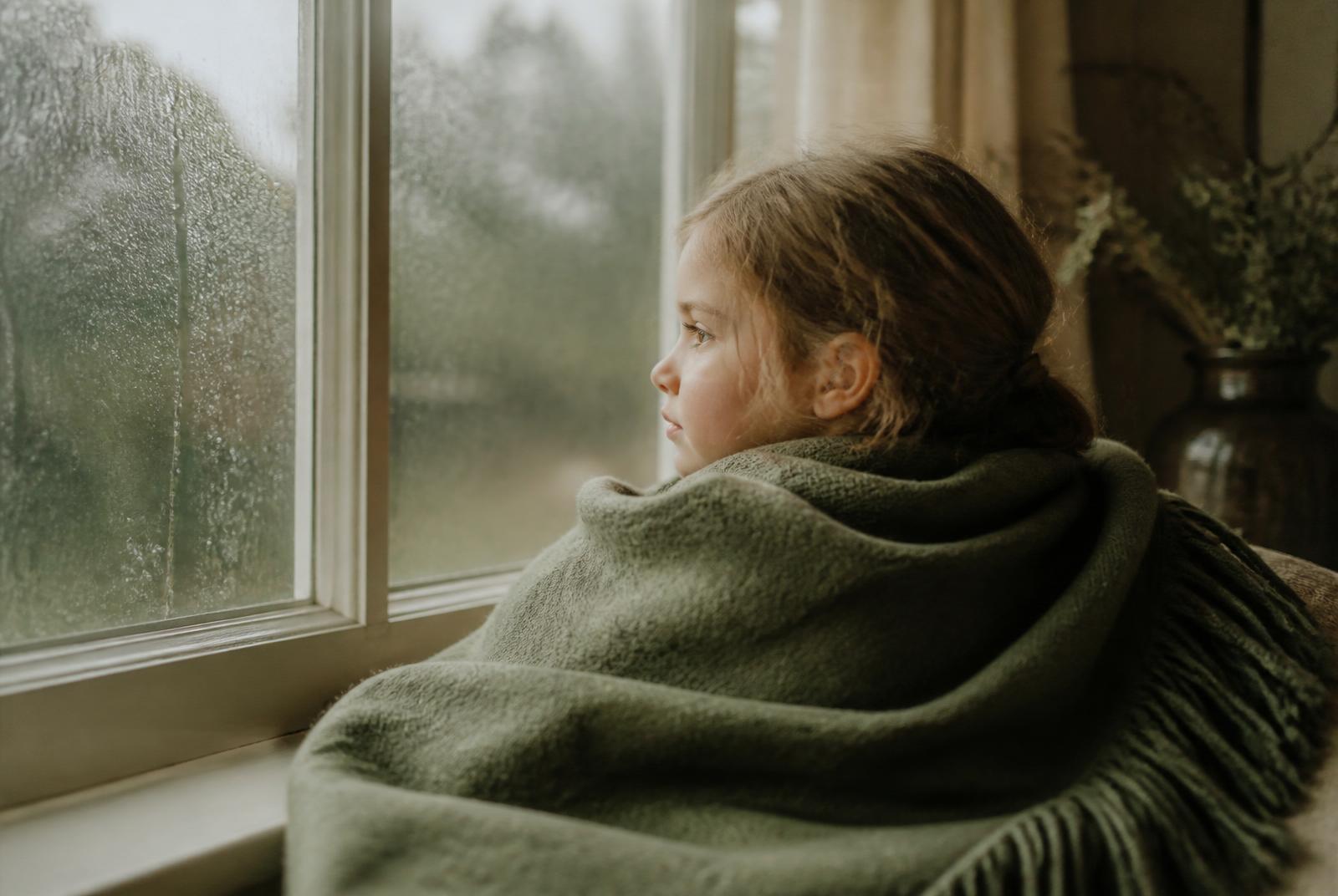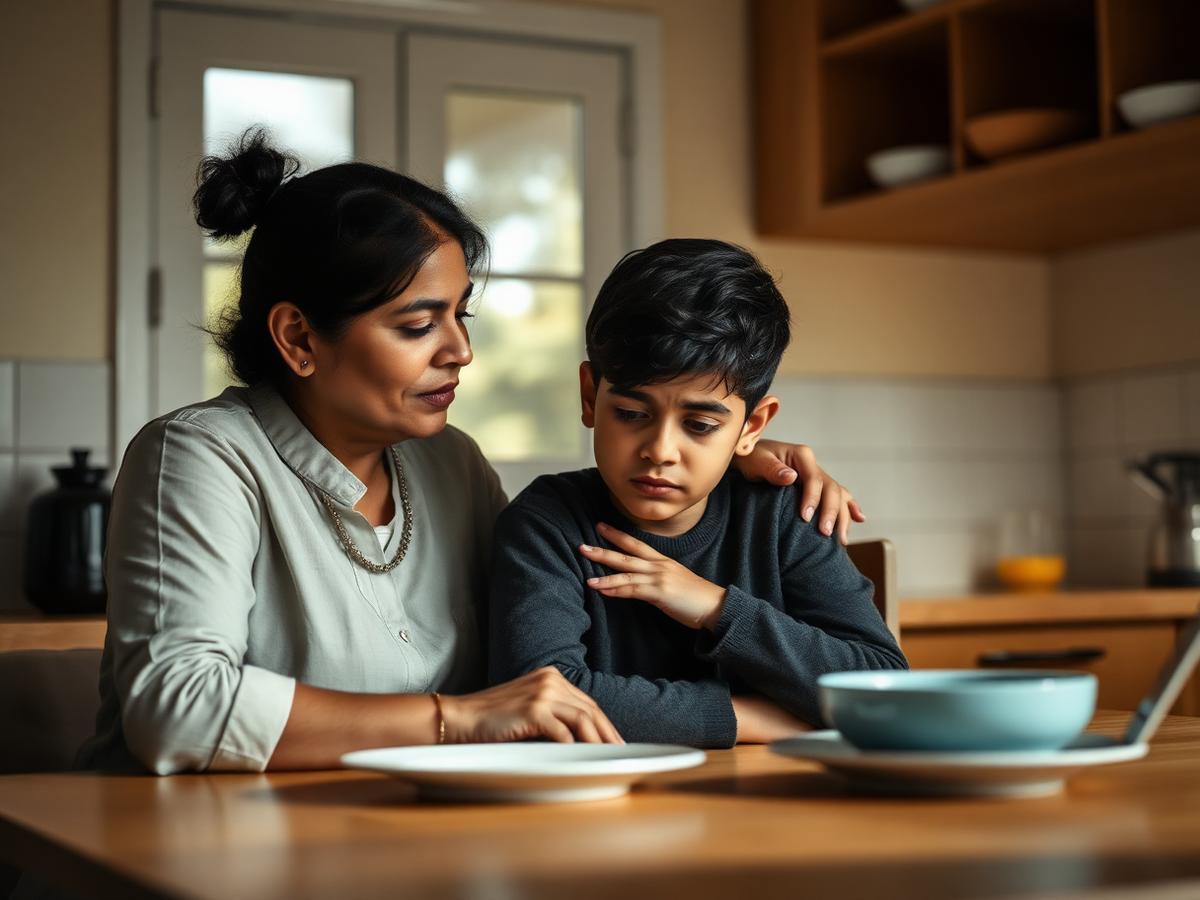

When the World Gets In: Helping Children Cope With the News
Children no longer hear the news at six o'clock. They absorb it in fragments, without context, from a phone in a bedroom — and then bring you the questions at bedtime.

How children come to believe they can handle hard things — and the parental language that makes it stick.

Children no longer hear the news at six o'clock. They absorb it in fragments, without context, from a phone in a bedroom — and then bring you the questions at bedtime.

It is not shyness, and it does not pass with time on its own. Social anxiety is a fear of being judged — and every kindness that helps a child avoid it makes it a little larger.
Read
The instinct is to fix it in an afternoon. The thing that actually restores a child is slower, quieter and almost entirely about whether they feel believed.
Read
By four o'clock a child has already spent six hours regulating themselves in a demanding environment. The worksheet is not the problem — the timing, the tank and the referee's role are.
Read
Resilient children are not the ones who struggle least. They are the ones who have been supported through struggle often enough to believe it ends.
Read
The child who rips up the page, refuses to start, or cries over a single mark is not being dramatic. They are managing a belief that their worth is recalculated with every attempt.
Read
Millions of children now talk daily to something that always answers, never tires, and never disagrees. What that does to a developing mind is the question of this decade.
Read
Adolescence has always involved measuring yourself against other people. What is new is the scale, the precision, and the fact that it never closes.
Read
Telling an unconfident child that they are wonderful rarely works. Self-esteem is built from evidence, not reassurance — and evidence takes a particular kind of parenting.
Read
The child who never causes trouble, always tries hard and cannot bear to get it wrong is not thriving quietly. Perfectionism is anxiety wearing its most convincing disguise.
Read
Boys are not becoming less emotional. They are becoming less practised at showing it — and the window in which they let an adult in is narrower than most parents realise.
Read
Friendship is the most complex social task we ask of children, and we mostly leave them to work it out at speed, in a crowd, without instruction.
Read
Climate, conflict, headlines they were never meant to see. Children are absorbing global fear at an age when the world should still feel small — and reassurance alone will not hold it.
Read
Courage is not the absence of fear, and it cannot be given as a pep talk. It is built one rung at a time, in the presence of someone who believes you can climb.
Read
Reassurance feels like the kindest response to a worried child — and it is often the reason the worry keeps returning. Here is what anxiety is really asking for, and how to give it.
ReadFor parents who want calmer mornings, kinder conversations, and a little more confidence. No promotions, no noise — just insight that fits real life.
Thank you — your first letter arrives on Sunday.