When Anxiety Shows Up as Anger
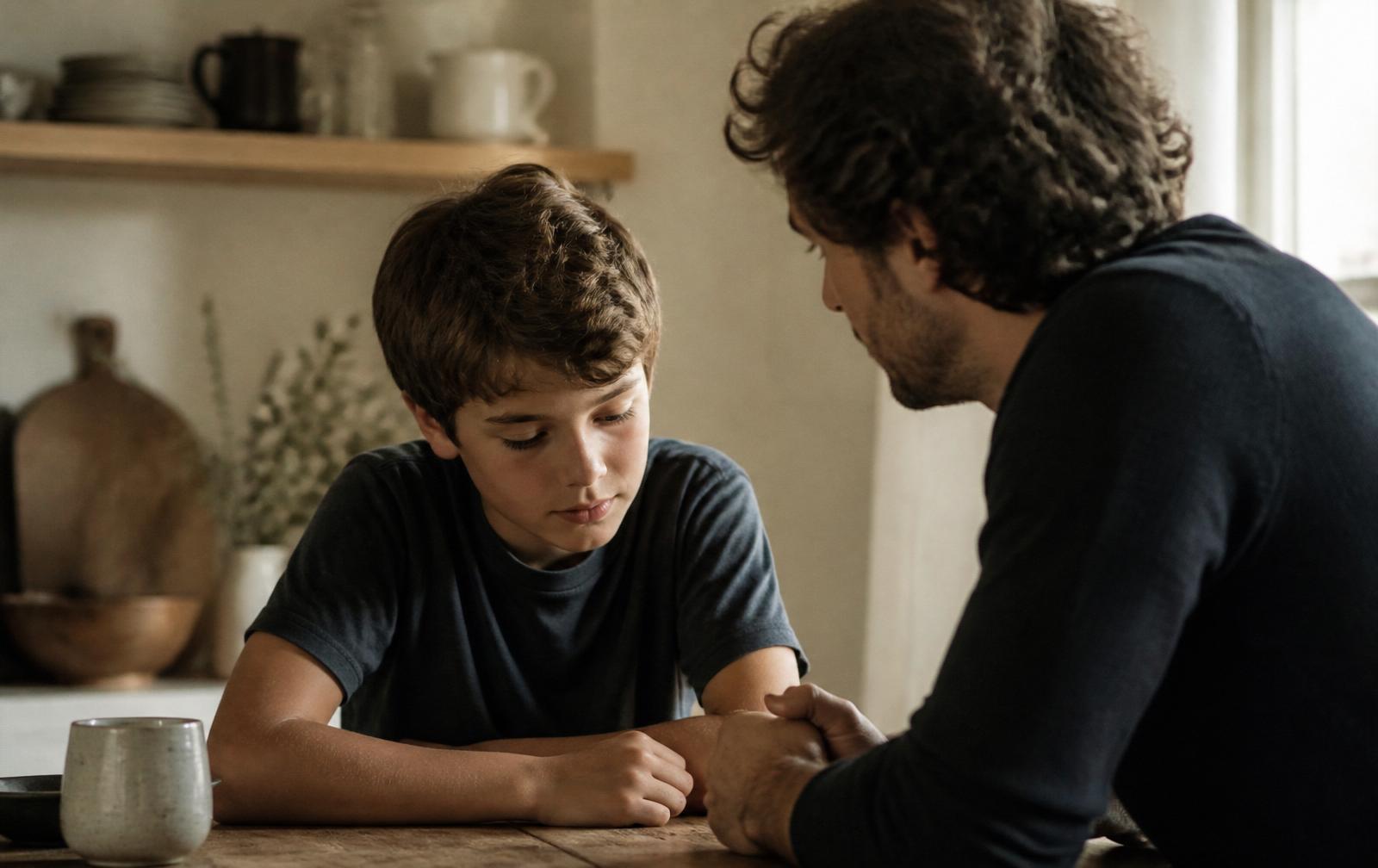
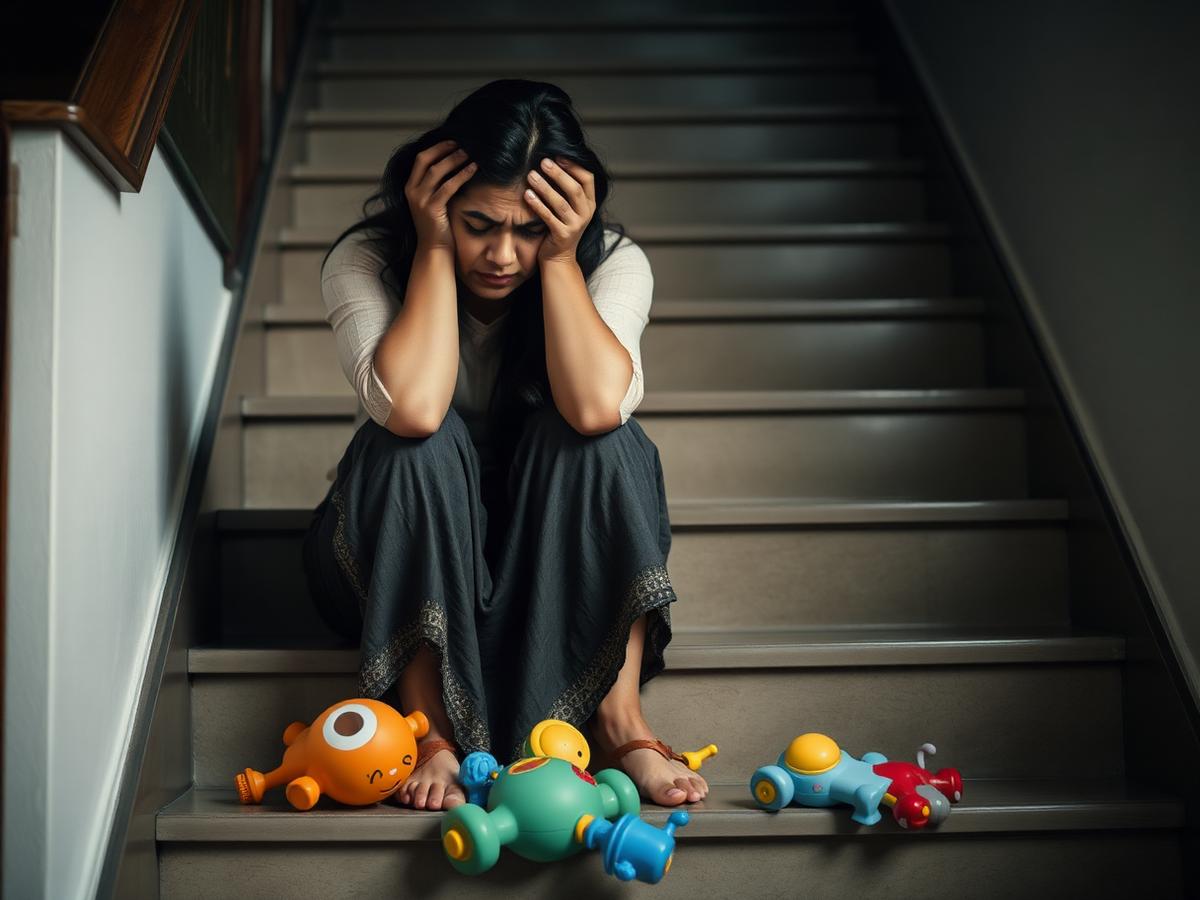
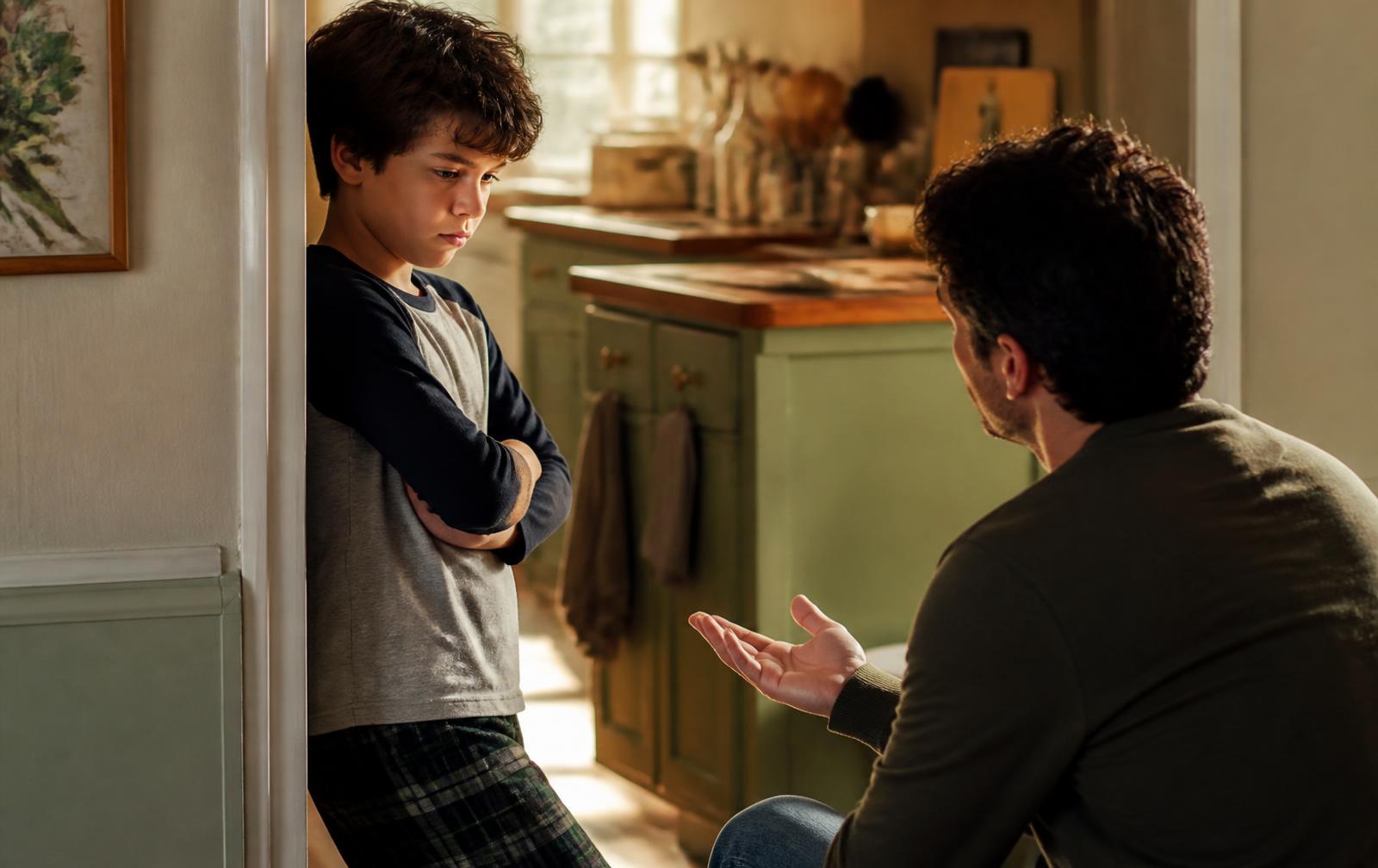
The child slamming the door is often the most frightened person in the house. Fear and fury run on the same circuit — and at home, only one of them feels safe to show.

Short, personal reflections from clinical practice — the moments that changed how we think about a family.

The child slamming the door is often the most frightened person in the house. Fear and fury run on the same circuit — and at home, only one of them feels safe to show.

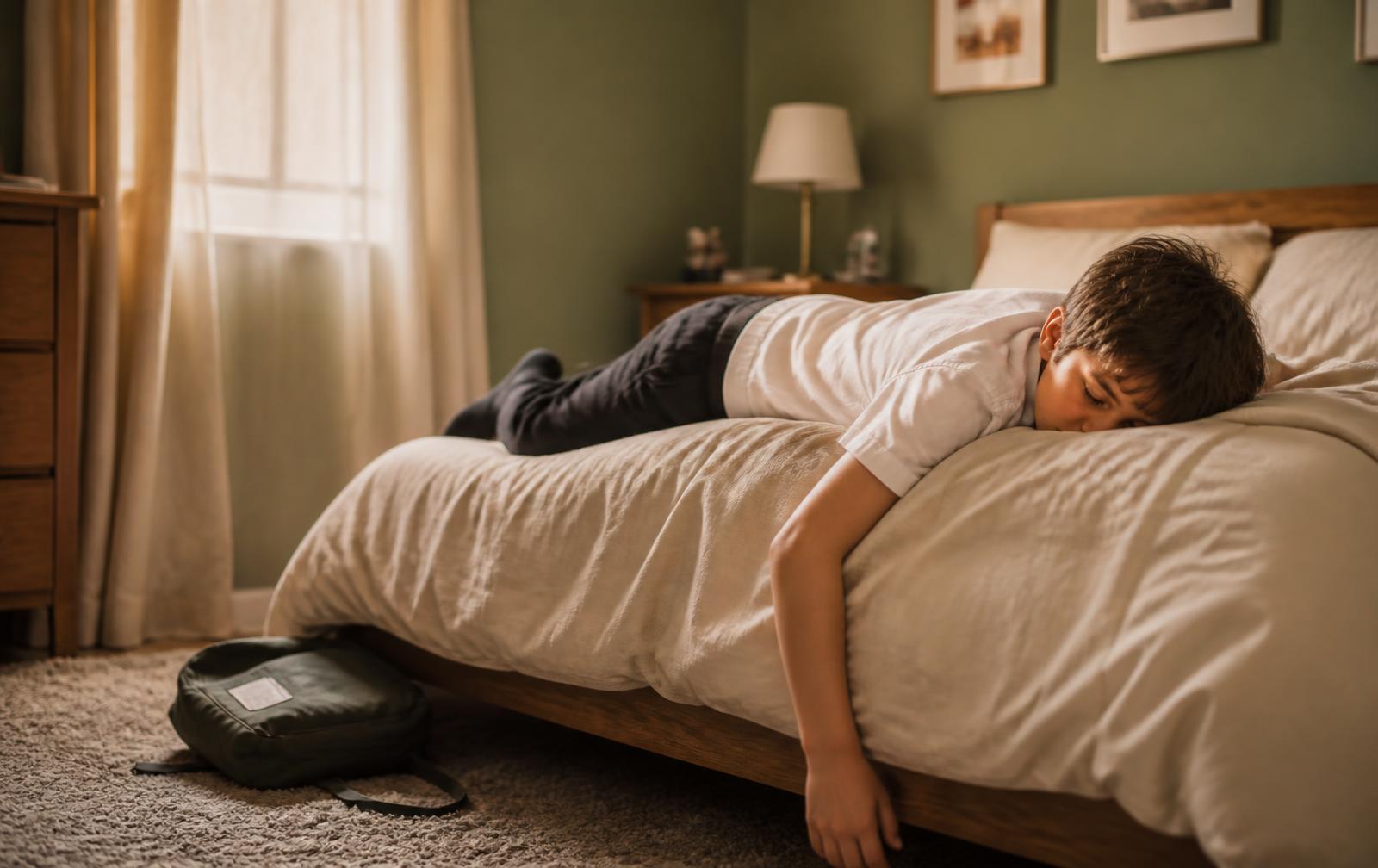
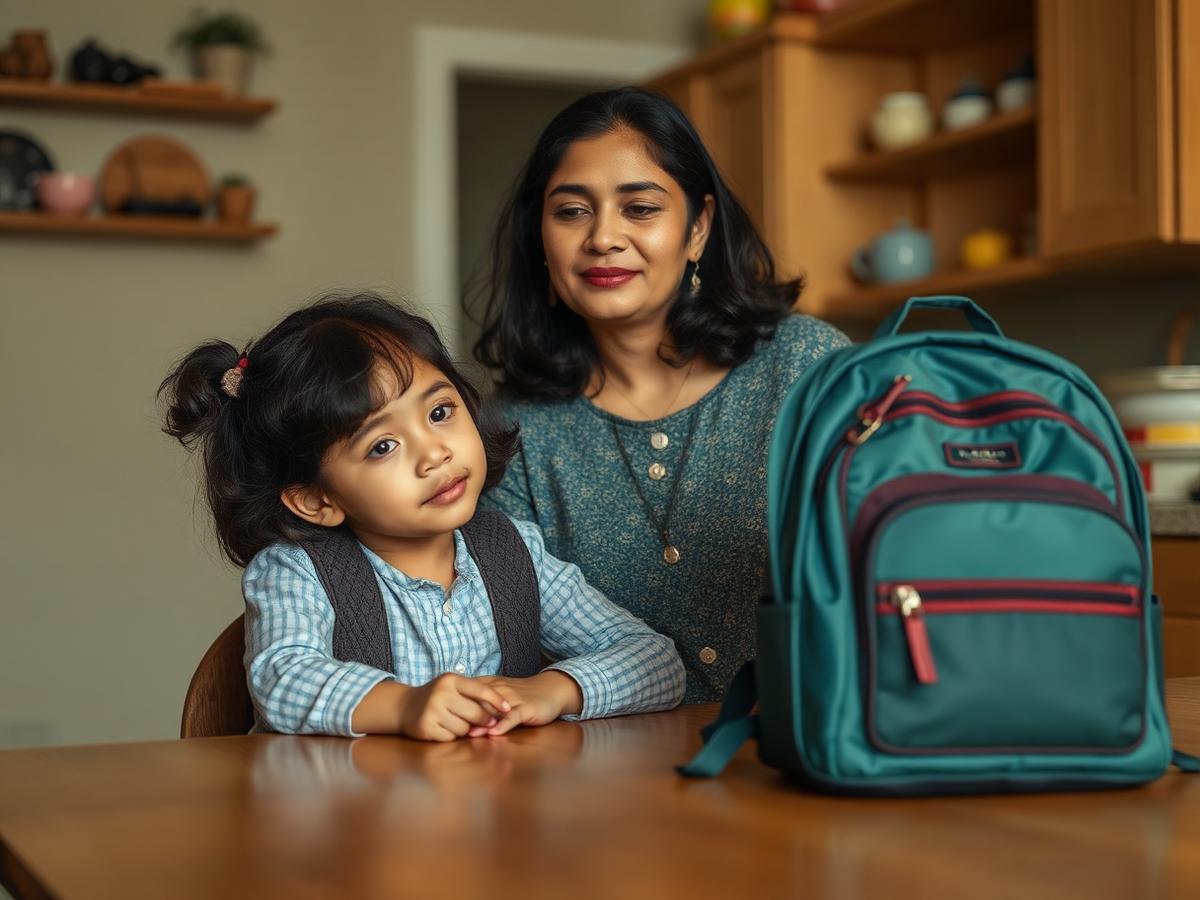
Holding it together for six hours a day costs something. When a capable ADHD child suddenly cannot do things they could do last term, this is usually what you are looking at.
Read
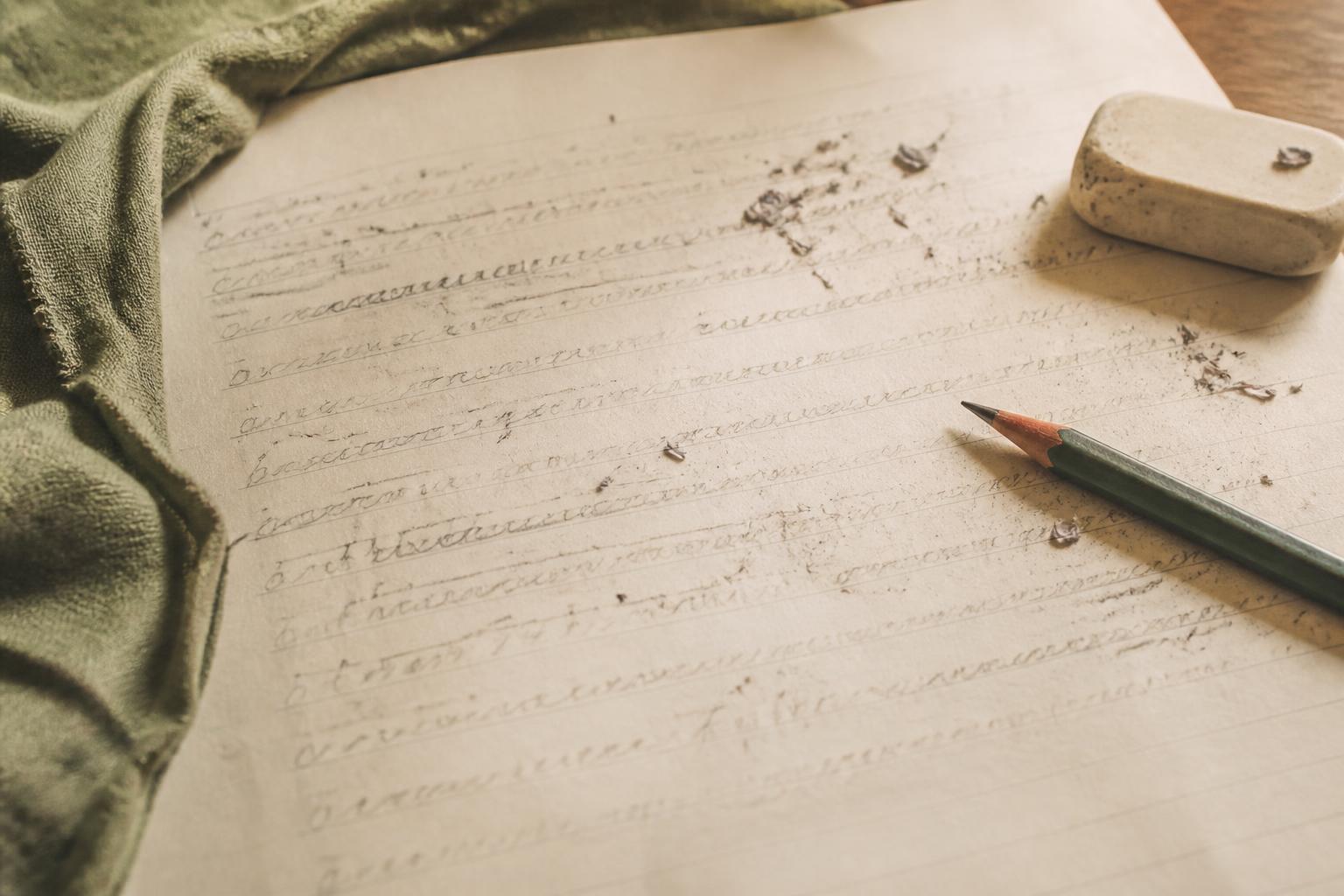
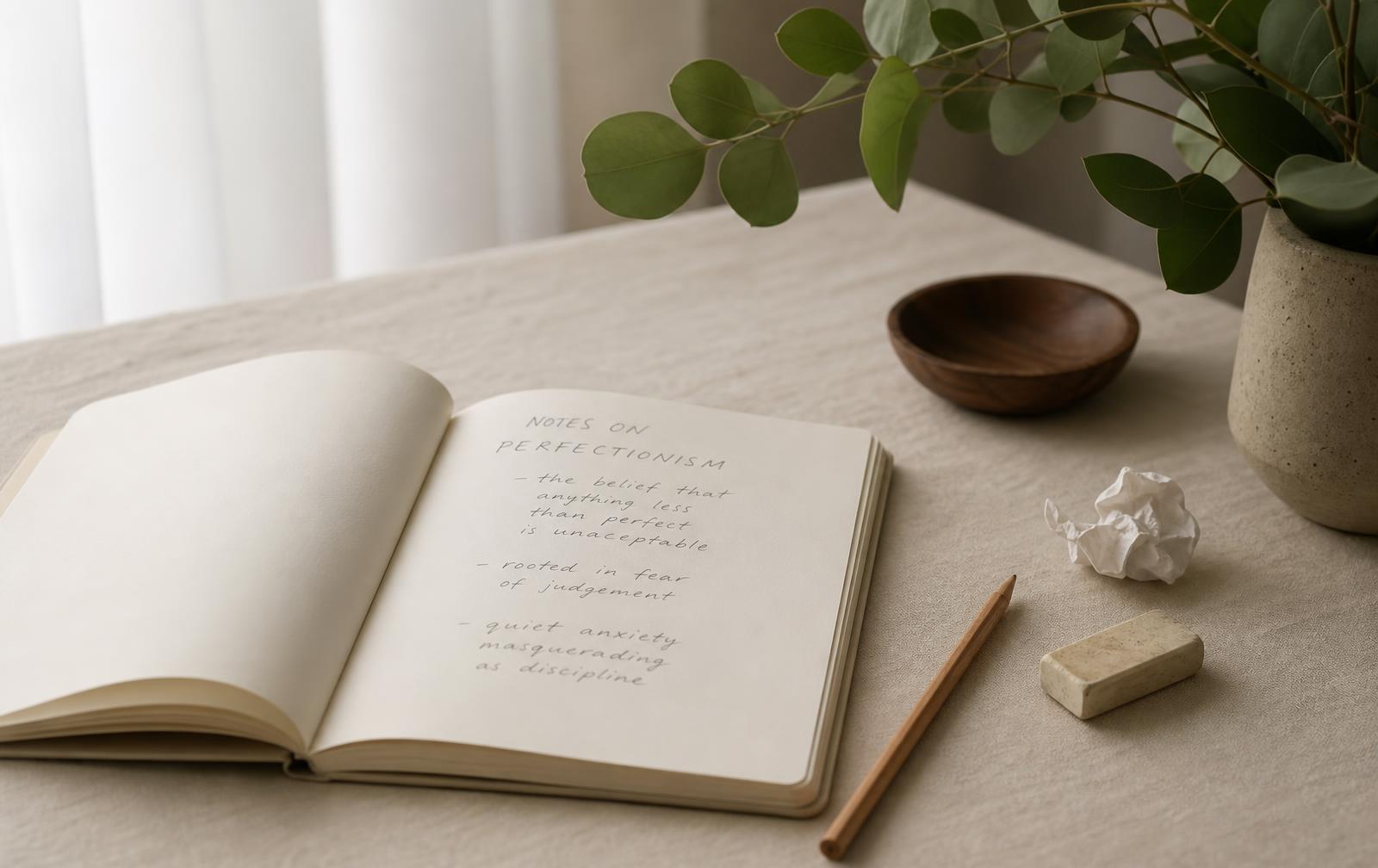
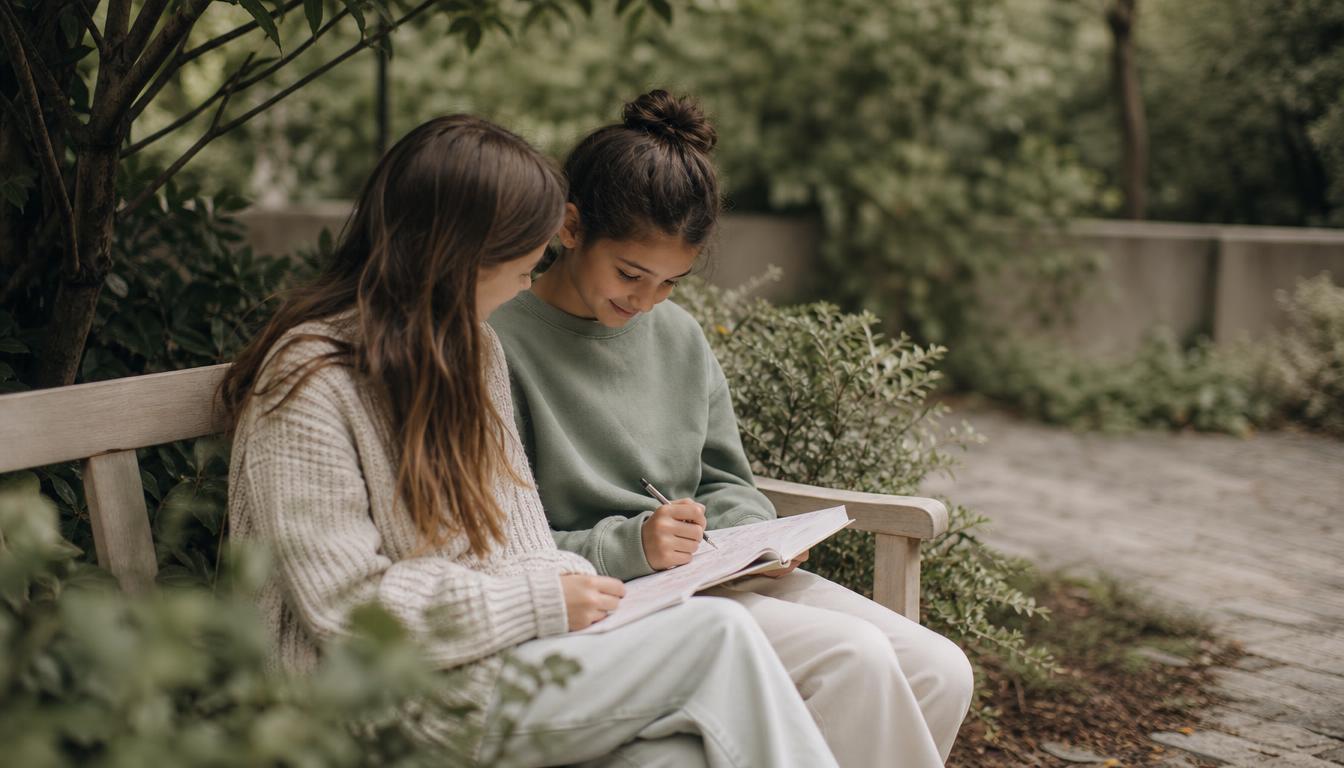
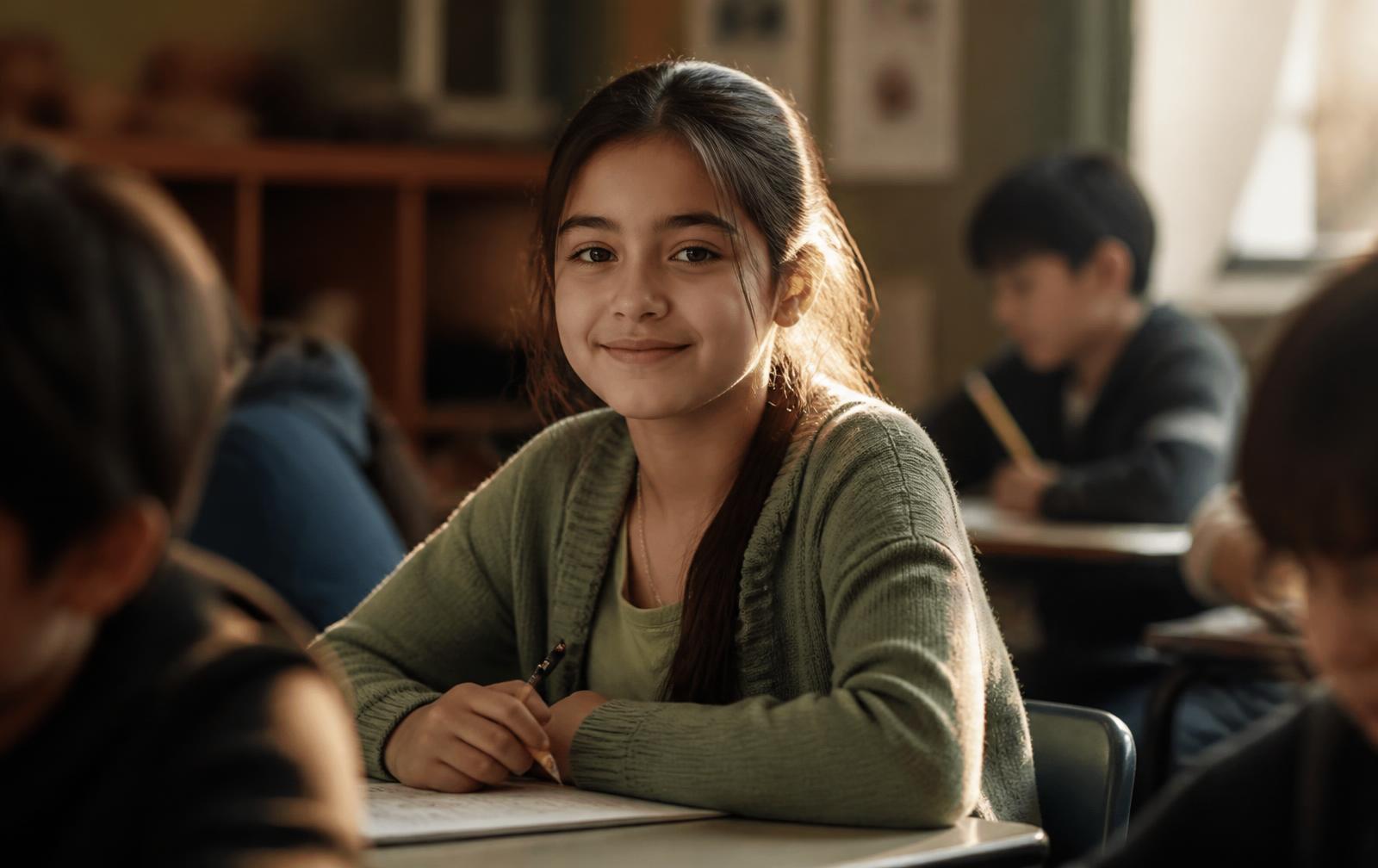
The child who rips up the page, refuses to start, or cries over a single mark is not being dramatic. They are managing a belief that their worth is recalculated with every attempt.
Read
Two people raised in two different families are now improvising a third one. Children can tolerate a great deal of difference between their parents — what they cannot tolerate is being the ground it is fought over.
Read
Of all the decisions families make about technology, where the device sleeps has the largest and most measurable effect on a child's wellbeing.
Read
Children do not grieve in a straight line, and they rarely grieve when we are ready. What they need is not the perfect explanation, but somewhere reliable to bring it.
Read
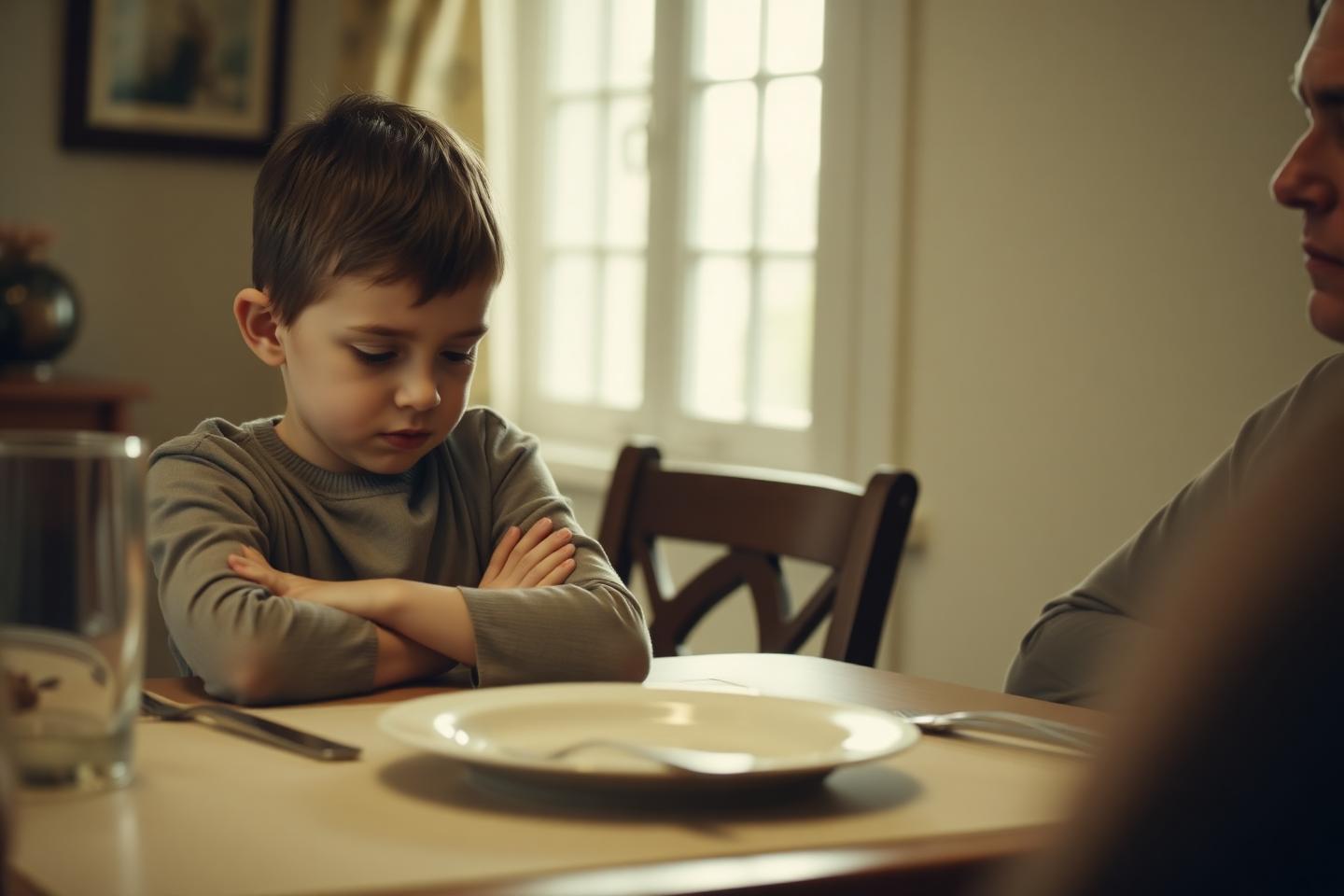
Mealtimes turn into a contest the moment eating becomes something a child can win or lose. The way out is to stop competing — carefully, and on purpose.
Read
A child who lies is almost never a child with a character problem. They are a child solving a problem — usually the problem of what happens next.
Read
Siblings do not fight because something has gone wrong with your family. They fight because you have given them the one relationship they cannot leave — and that is where the real learning happens.
Read
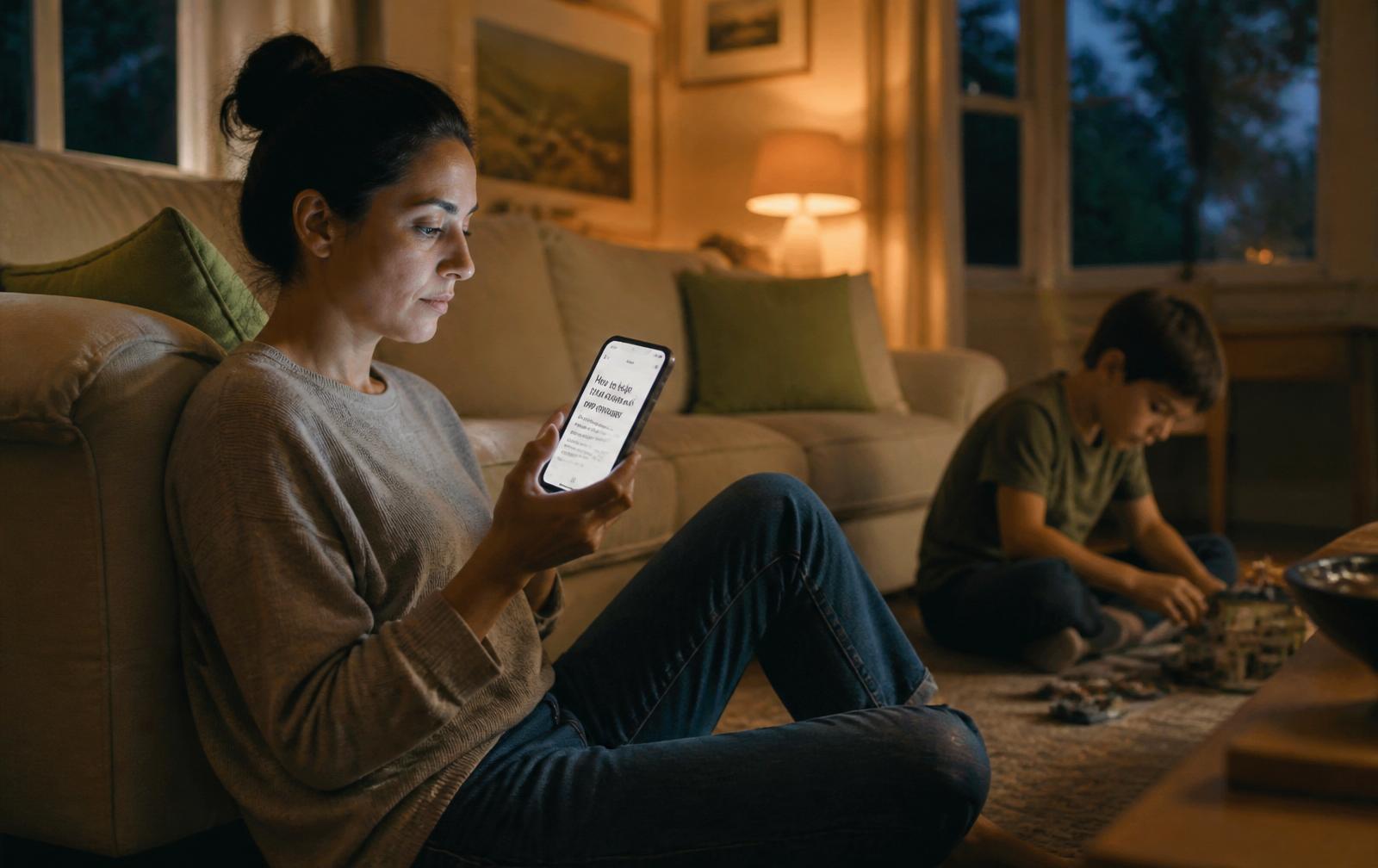
Most of what circulates online is well-meant and half-true. The half that is missing is usually the part that would have protected you.
Read
The child who never causes trouble, always tries hard and cannot bear to get it wrong is not thriving quietly. Perfectionism is anxiety wearing its most convincing disguise.
Read
The backlash is not evidence that warmth failed. It is evidence that a generation of parents was sold the warmth and never given the boundaries — or the rest.
Read
Parental burnout is not a character flaw or a scheduling problem. It is what happens when the demands stay high for long enough that the recovery never arrives.
Read
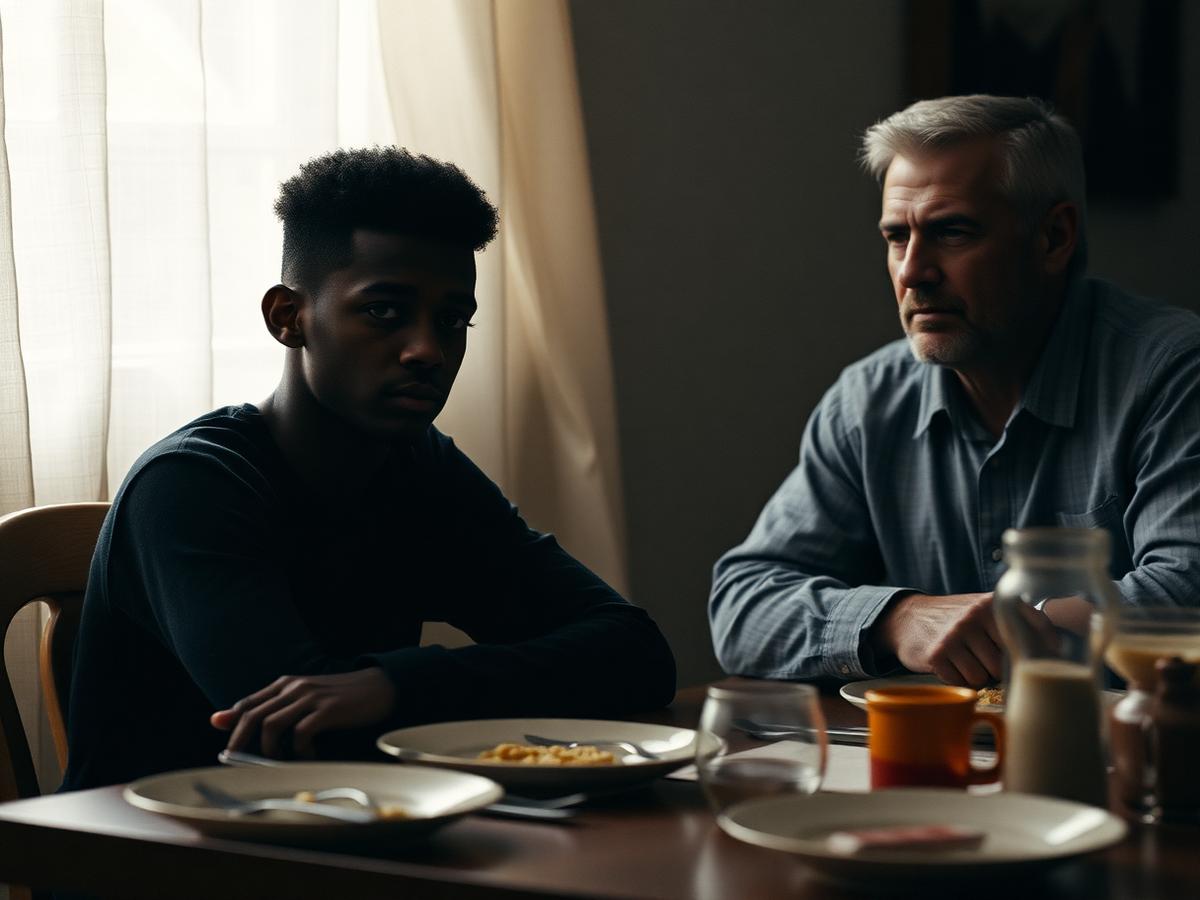
Boys are not becoming less emotional. They are becoming less practised at showing it — and the window in which they let an adult in is narrower than most parents realise.
Read
Friendship is the most complex social task we ask of children, and we mostly leave them to work it out at speed, in a crowd, without instruction.
Read
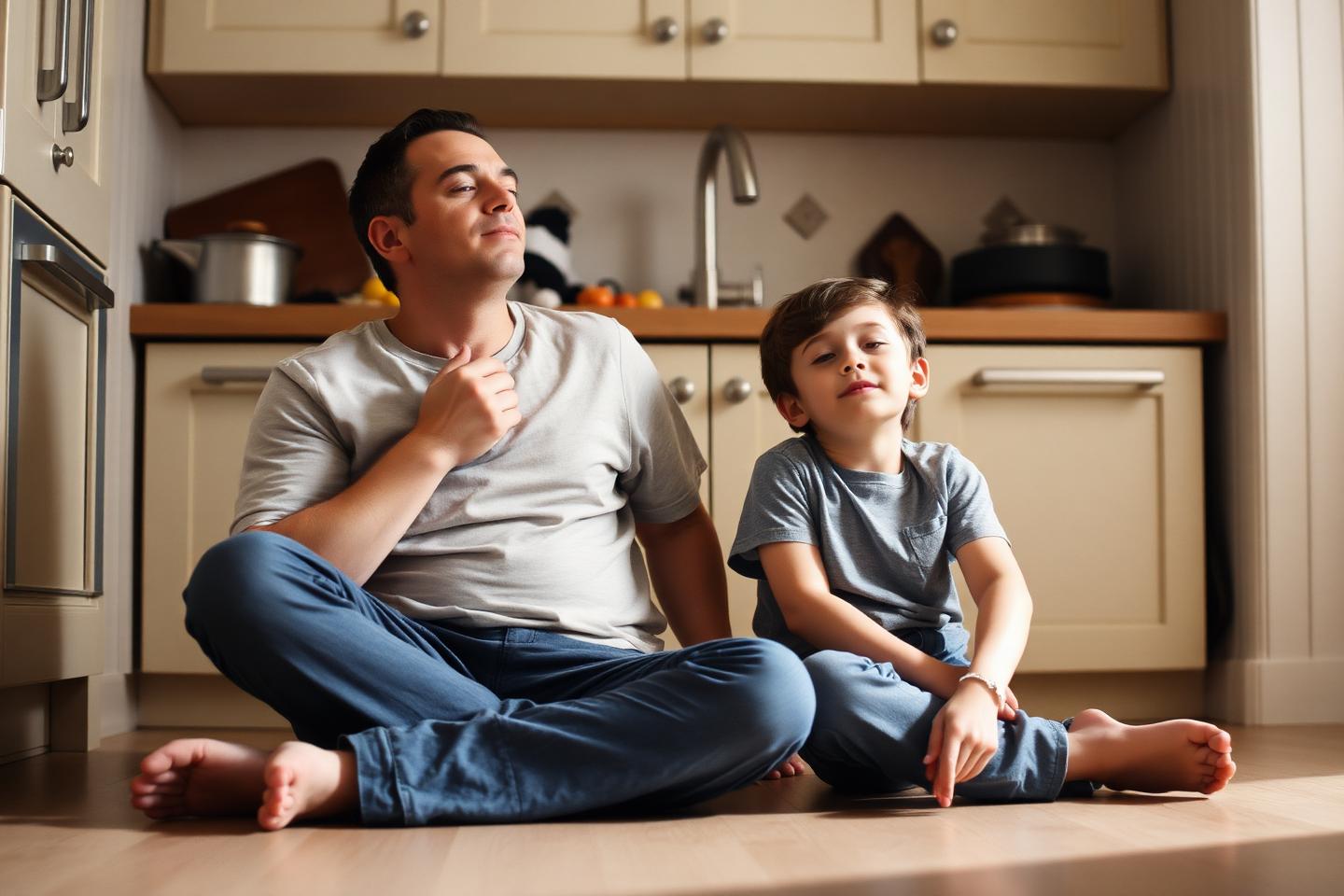
Children cannot regulate themselves in a room where no one else is regulated. Co-regulation is the whole mechanism — and it is quieter than it sounds.
Read
The exhausting part was never the tasks. It is being the person who remembers, anticipates and notices — a job with no hours, no handover and no evidence it was done.
Read
School refusal is almost never about school. It is about a nervous system that has learned mornings are dangerous — and it responds to graded practice, not persuasion.
Read
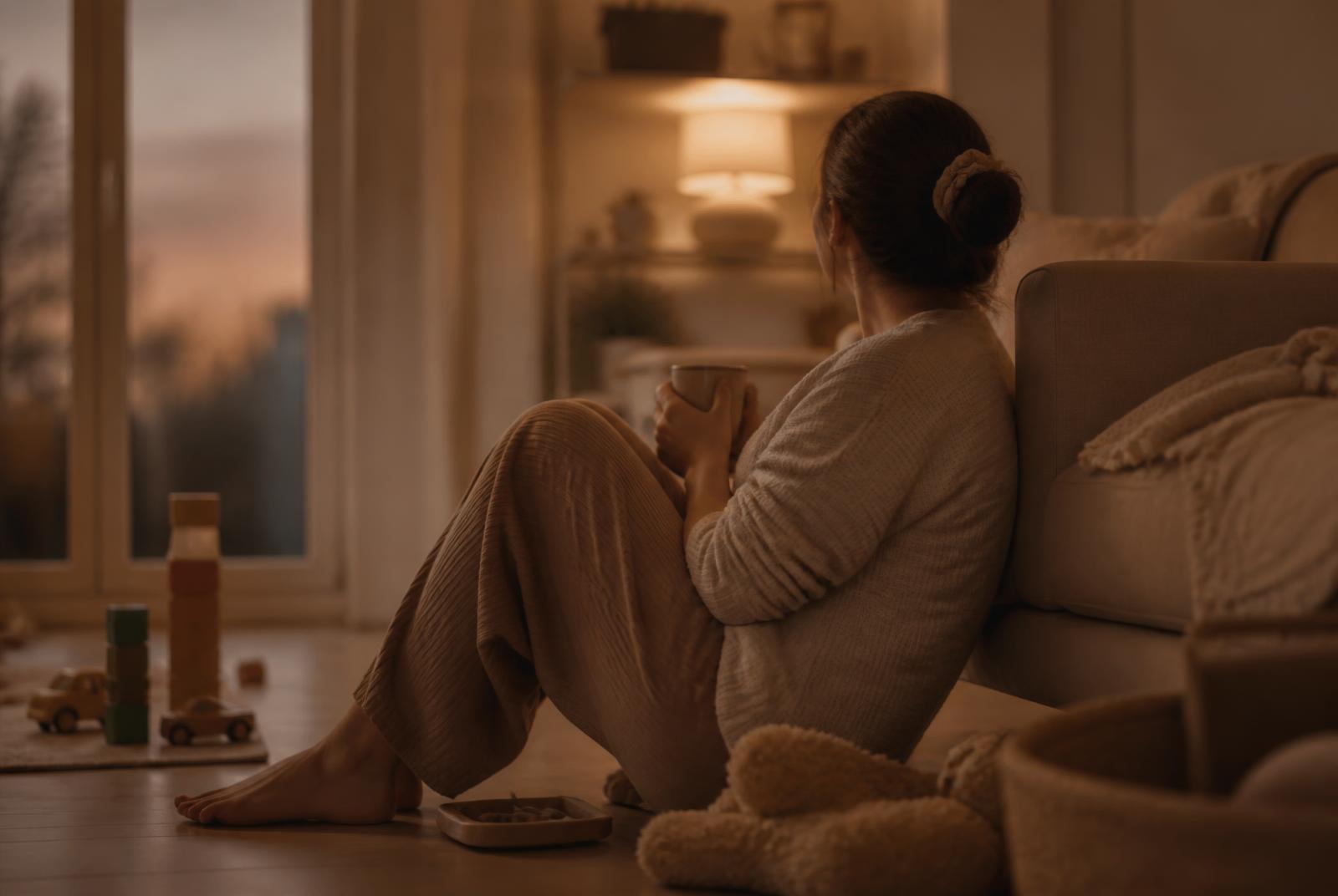
Glowing reports, no concerns raised, and a child who falls apart the moment the front door closes. Masking is invisible by design — that is what makes it exhausting.
Read
Silence at fifteen is rarely rejection. It is a developmental task, a bid for privacy, and sometimes a signal — and it responds to presence far better than to questions.
ReadEach department is written to the same standard and returns every few weeks.
For parents who want calmer mornings, kinder conversations, and a little more confidence. No promotions, no noise — just insight that fits real life.
Thank you — your first letter arrives on Sunday.